
How 1983 Changed the Shape of the Walkman
The year Sony began breaking the Walkman into smaller, stranger, and more personal forms.

In 1982, Sony had already proven that the Walkman could become more than a single cassette player. Recording, radio, direct drive, and electronic controls had all entered the line in quick succession, stretching the idea outward in terms of capability. But in 1983, the company changed direction. Instead of adding major new functions, Sony began reshaping the Walkman around form, context, and appeal. The result was a lineup that felt less like one product evolving and more like the beginning of a new way of thinking about consumer electronics.
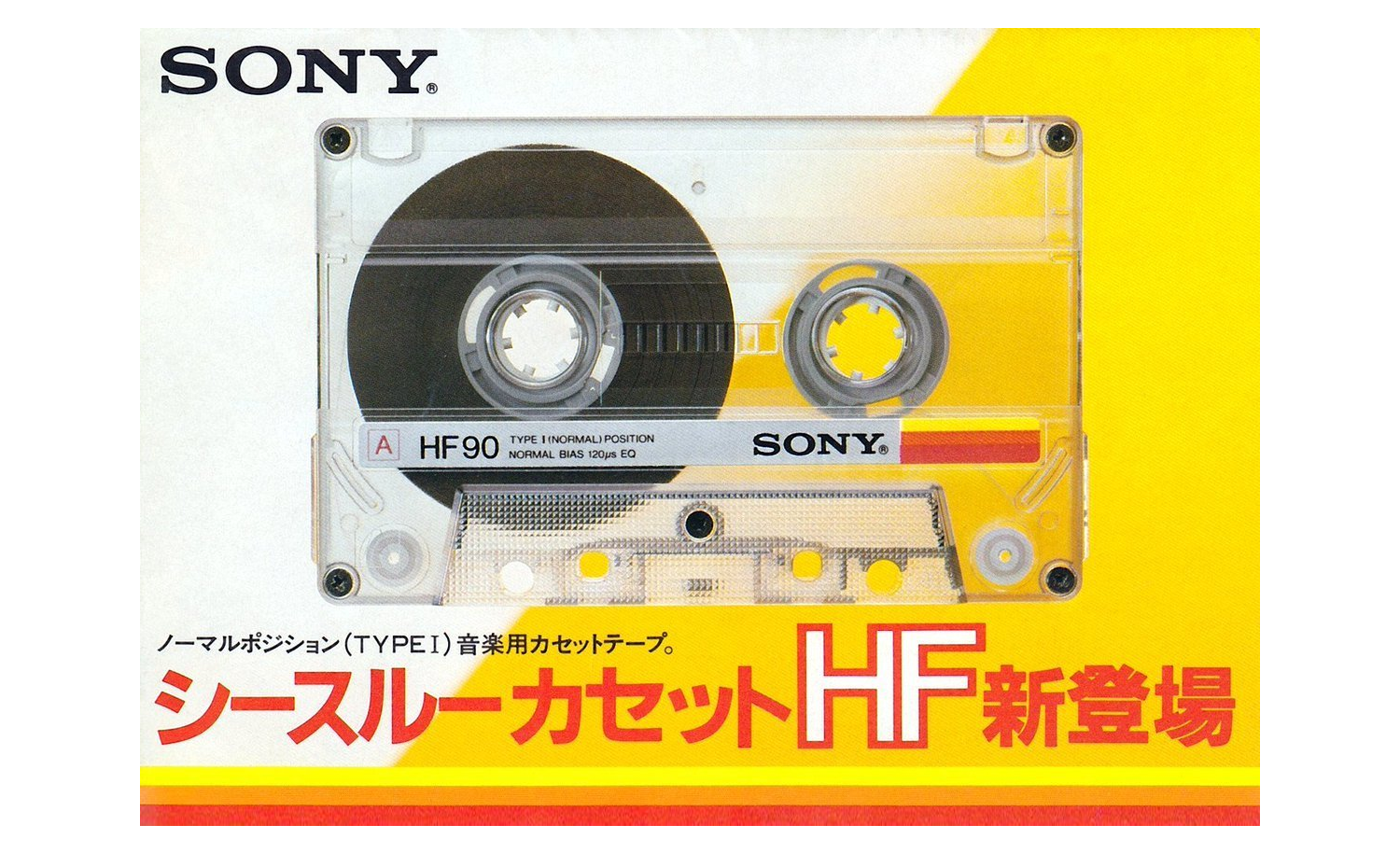
That shift is easy to miss if you only look at the year as a list of models. On paper, 1983 does not seem as technically dramatic as the year before. There was no new Disc Drive breakthrough, no new professional recorder, no major leap in function. What changed instead was the way Sony distributed the Walkman across everyday life. It became smaller, more specialized, and more visually distinct. That kind of refinement already sat more naturally inside Japanese consumer culture than it did in much of the West, where electronics were still often framed more bluntly around hardware and performance. The broad lifestyle DNA had been there from the start, but this is where Sony began breaking it into clearer forms.
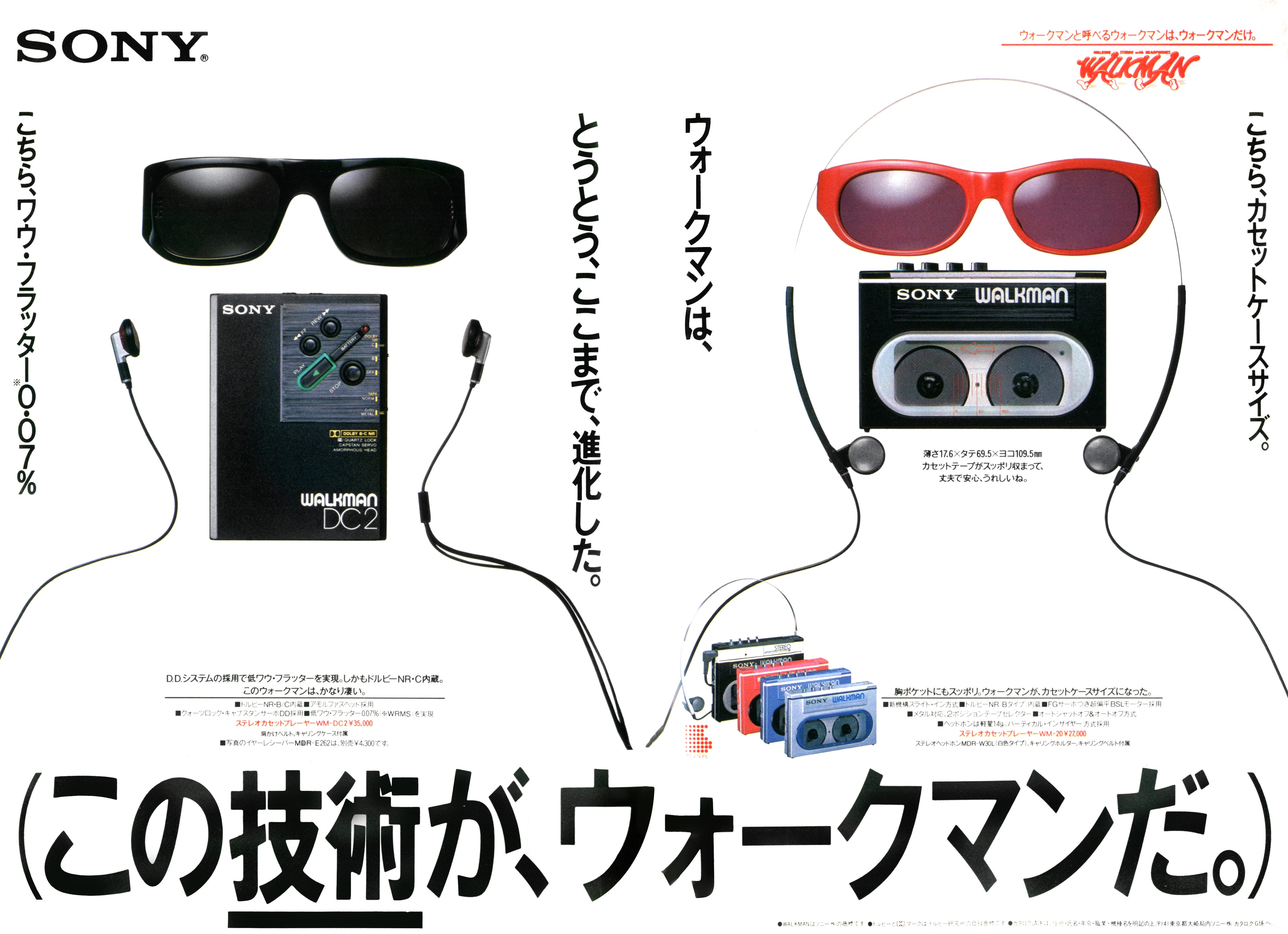
The clearest sign of that change was the WM-20.
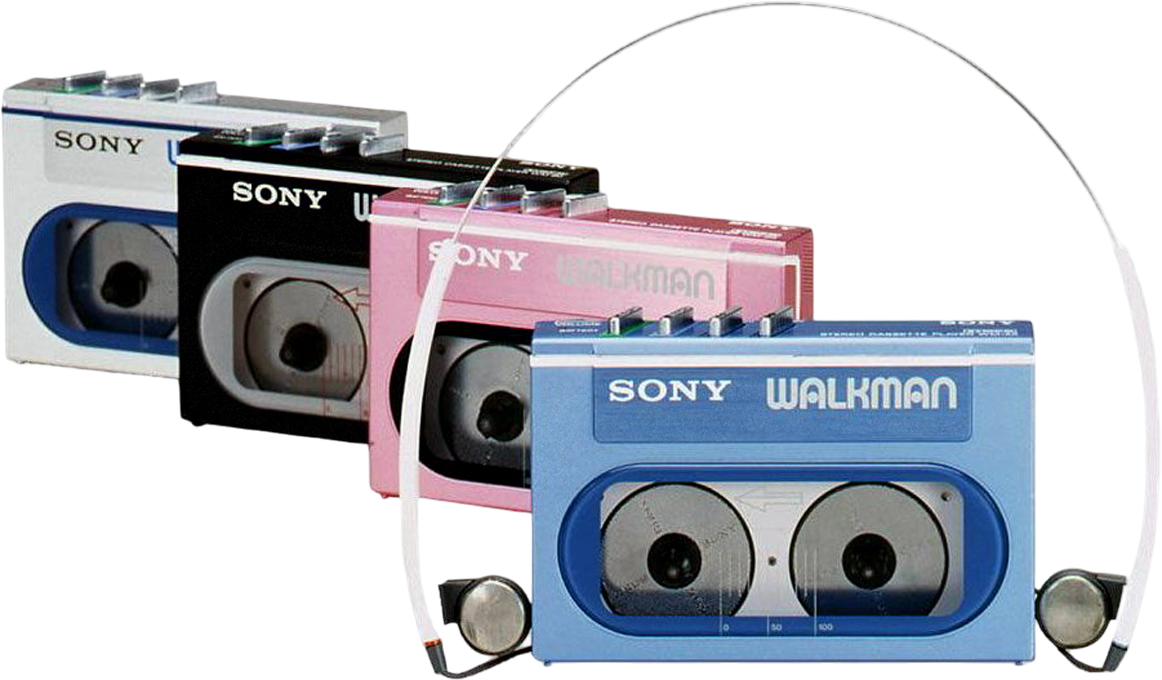
By 1983, Sony had already made the Walkman portable enough for most people. It could fit in a bag, clip to a belt, or travel easily. The WM-20 was not really about solving portability anymore. It was about pushing miniaturization into something almost theatrical. When closed, the machine was only slightly larger than a cassette case itself. Its sliding expandable mechanism made the whole thing feel improbable, with the battery compartment, head assembly, and transport components all moving together to preserve full cassette compatibility in a body that looked barely capable of containing one. The mechanism was not hidden behind the appeal. It was the appeal.
Sony was no longer just making the Walkman easier to carry. It was making smallness itself feel desirable. Even now, it is the kind of machine people react to physically. You collapse it shut in your hand once and immediately understand why it mattered. It made the Walkman feel less like a shrunken tape deck and more like an object people could become attached to.
If the WM-20 turned miniaturization into theater, the WM-F5 pushed the Walkman into a completely different environment.
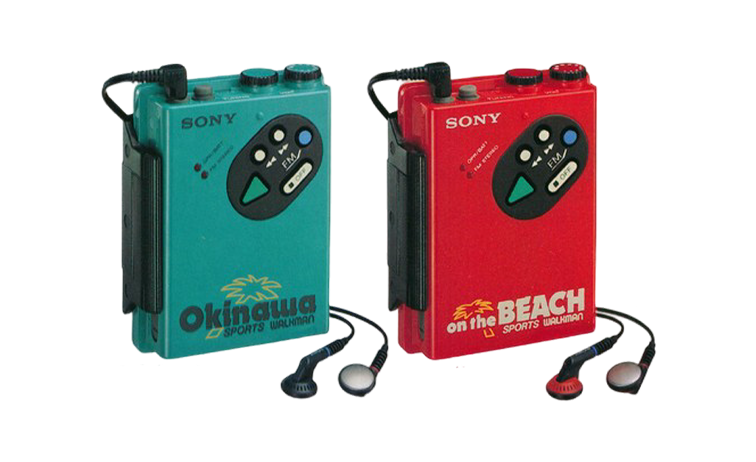
The F5 was the first Sports Walkman, and it expanded the product’s territory almost immediately. Earlier Walkmans still carried a fairly narrow image. They belonged to commuters, students, travelers, and people listening alone in transit. The F5 pushed that image outward. Suddenly the Walkman was being positioned for movement, exercise, rough handling, and the outdoors.
Its bright yellow body was impossible to mistake for one of Sony’s more polished urban machines. The reinforced shell, sealed construction, rubberized controls, and built-in FM tuner gave it a completely different presence. This was not a Walkman designed to disappear into a jacket pocket or sit neatly on a desk. It was designed to survive being carried into environments where earlier models would have felt fragile or out of place.
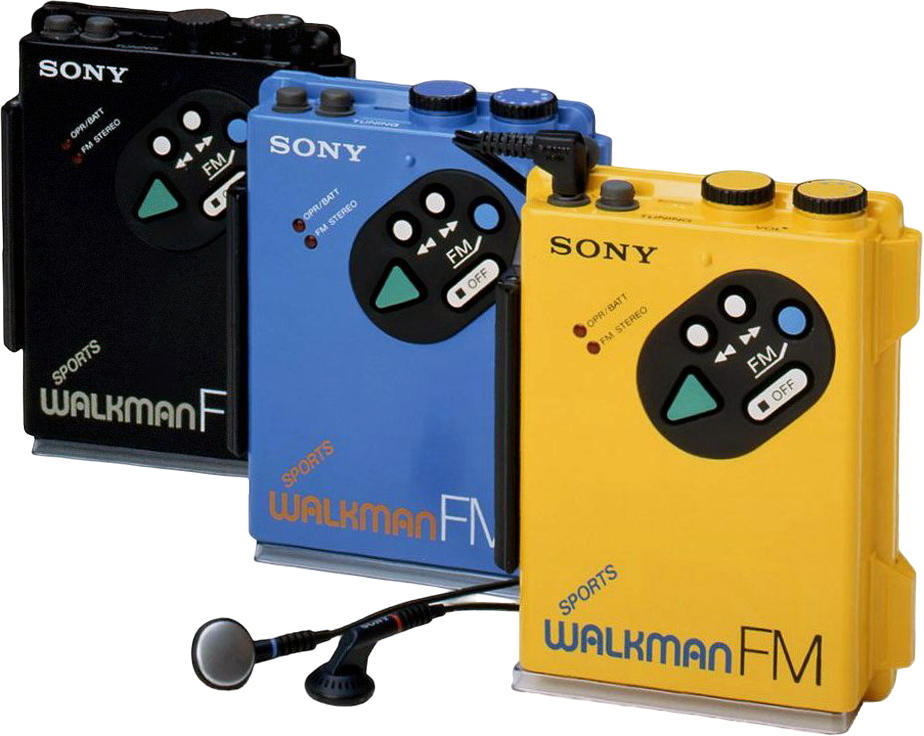
That is what makes the F5 so important. It changed where the Walkman was supposed to belong. The yellow “Sports” look would remain recognizable for years after, but the more important shift was conceptual: Sony had started treating portable audio less like one universal object and more like something that could be tailored to specific kinds of use.
That same logic shows up in the WM-F20.
It was essentially the radio-equipped extension of the WM-20 idea, adding FM and TV audio reception while preserving the same expandable compact body. That alone says a lot. Sony was no longer leaving strong ideas as one-off products. Once the company had something as compelling as the WM-20’s sliding cassette-size form, it carried it into another branch of the lineup and made it usable in another context.
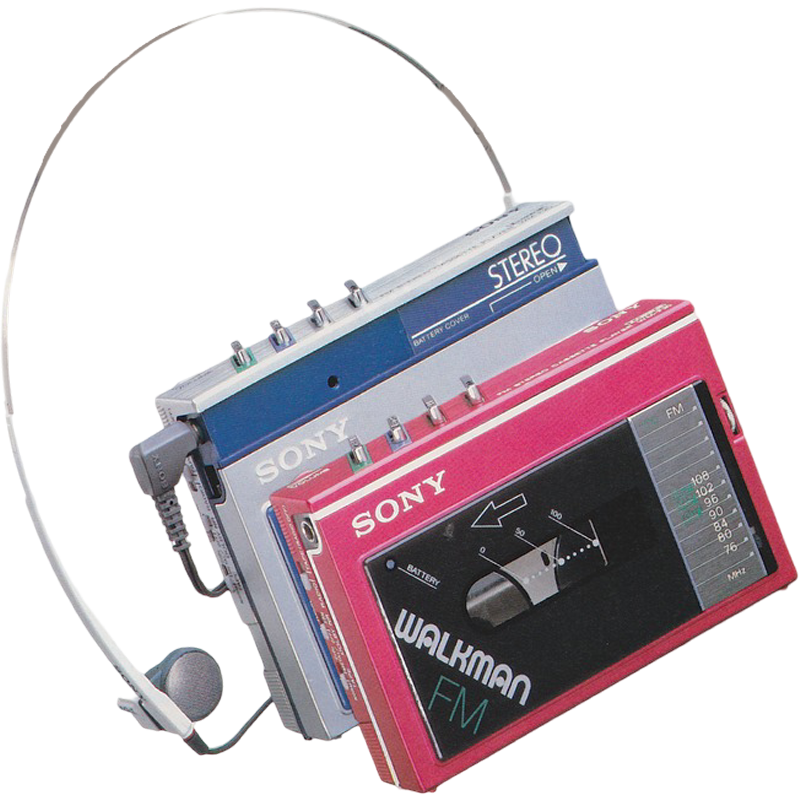
That is one of the more revealing things about 1983. Sony was starting to identify successful forms and stretch them across adjacent use cases instead of treating each new model like a standalone event. The lineup was beginning to behave less like a collection of isolated products and more like a system with internal logic.
You can also feel the year shifting visually. By 1983, the Walkman could no longer rely only on novelty and function. It had to compete inside everyday life, where people noticed what objects looked like and what kind of person they seemed made for. Some models felt more athletic, some more compact, some more polished, some more playful. The differences were no longer just technical. They were becoming social and visual too.

By the end of 1983, the Walkman had become harder to describe as a single product with minor variations. It was starting to split into distinct identities, each one aimed at a different kind of person, place, or routine. That kind of thinking did not feel especially strange in Japan, where compactness, specialization, and product refinement already carried a different kind of cultural weight.
Sony was already moving somewhere more personal. In hindsight, it was not just an important year for the Walkman, but an early glimpse of a product logic the rest of consumer technology would eventually adopt. And once that process began, the Walkman was never going to stay simple for long...