
Sony at 80: The History of Eight Decades
A look at Sony's 80th anniversary history, from postwar electronics to global technology.

Sony was founded in May 1946, in the burned-out ruins of postwar Tokyo. As the company approaches its 80th anniversary in 2026, it marks eight decades of one of the most erratic and influential timelines in modern business. This article traces that history, from a radio repair operation in a department-store basement to a company that now spans entertainment, image sensors, and gaming infrastructure.
1946–1954: Survival and the Transistor
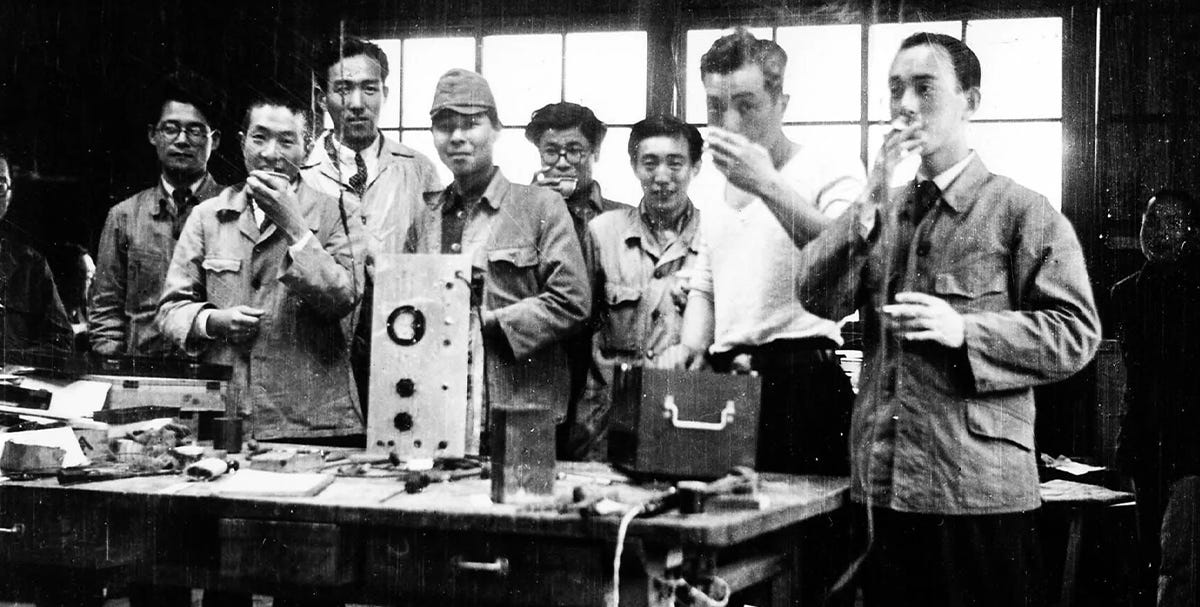
Sony began life as Tokyo Tsushin Kogyo (Tokyo Telecommunications Engineering Corp), with no master plan and very little margin for error. Postwar Japan was short on capital, materials, and reliable power. Founders Masaru Ibuka and Akio Morita focused on staying alive as an engineering outfit, building anything that could sell. Some early efforts, like an electric rice cooker, failed outright. Others worked just well enough to keep the lights on.
The real shift came not from invention, but from licensing. When Sony obtained rights to transistor technology from Western Electric in the early 1950s, American companies treated the transistor as a component for hearing aids or military equipment. Sony treated it as a consumer breakthrough. The TR-55 transistor radio reframed electronics as something personal and portable rather than fixed furniture. That single decision set a pattern Sony would repeat for decades: take emerging technology and shrink it until it fits daily life.
1960–1979: Trinitron and the Walkman
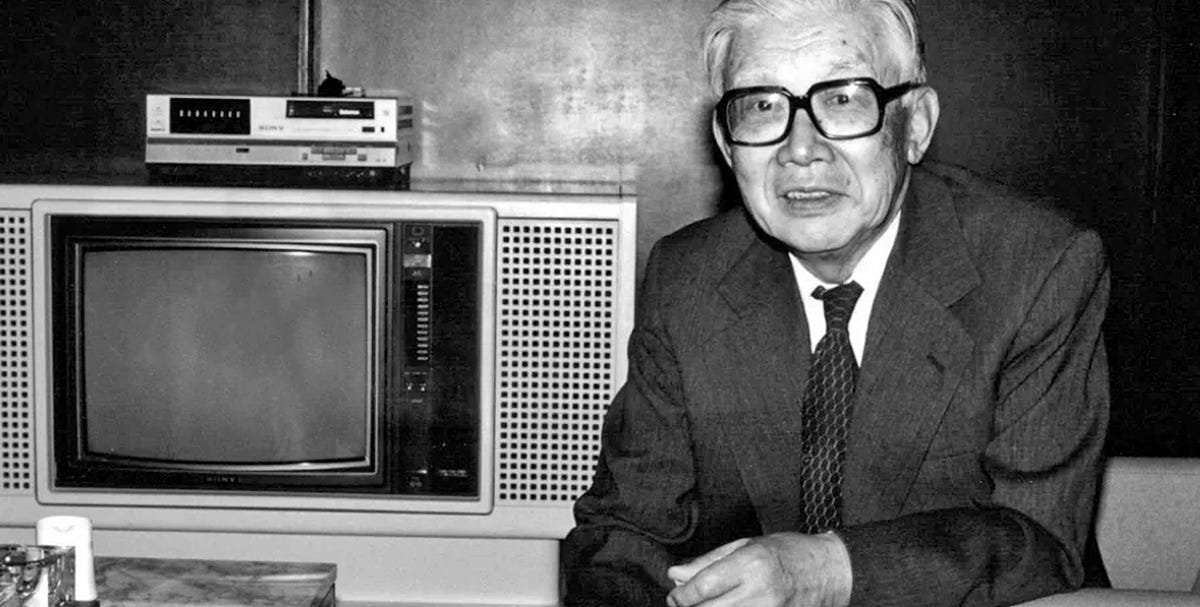
Television almost destroyed the company. Sony invested heavily in Chromatron color technology, only to encounter catastrophic manufacturing yields that drained cash and morale. The project forced a painful reset. Out of that collapse came Trinitron, introduced in 1968. Its aperture-grille design delivered brighter, sharper images and established Sony as a global authority in video displays for nearly thirty years.
The cultural inflection point arrived in 1979. The Walkman TPS-L2 was built on a counterintuitive idea: remove features instead of adding them. No speakers. No recording. Just private listening. Many inside Sony thought it made no sense. The public disagreed. The Walkman changed how people used music, turning it into something carried through cities rather than shared in rooms.
1980–1999: Format Wars and PlayStation
The 1980s exposed Sony to its most painful lesson. Betamax lost to VHS, not because of quality, but because of licensing and distribution. Superior engineering proved irrelevant without market alignment. That loss shaped everything that followed.
Sony responded by buying content. The acquisitions of CBS Records and Columbia Pictures were controversial, but the logic was straightforward: controlling formats meant controlling media. This strategy worked with the Compact Disc, developed alongside Philips, which reset the music industry around a single global standard.
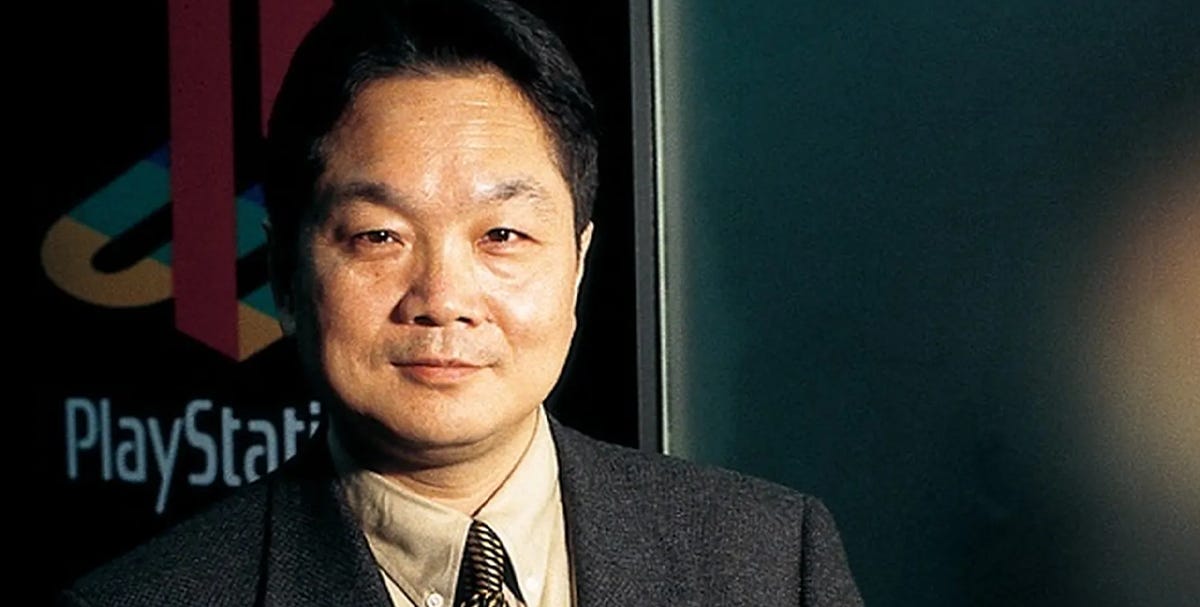
Gaming followed a similar arc. After a failed partnership with Nintendo, engineer Ken Kutaragi pushed Sony to ship a console independently. The PlayStation, launched in 1994, prioritized third-party developers and CD-ROM storage. By the time the PlayStation 2 arrived, Sony had become one of the most influential entertainment companies in the world.
2000–2012: The Stumble

The 2000s exposed Sony’s internal limits. Software, broadband, and platforms began to matter more than hardware polish. Sony’s divisions operated in silos, often competing rather than cooperating. The Walkman team resisted computers. The music business resisted digital distribution.
Under CEO Howard Stringer, the “Sony United” initiative attempted to break down these walls, but external pressures mounted. A strong yen, collapsing TV margins, and commoditized displays turned once-dominant businesses into losses. For several years, Sony lost money on nearly every television it sold.
2013–2026: Focus and Rebuild

The recovery required subtraction. Under Kaz Hirai and later Kenichiro Yoshida, Sony sold its VAIO PC division, spun off televisions, and stopped chasing every consumer category.
Instead, the company doubled down on areas where it had real leverage. Sony’s image sensors now power much of the global smartphone market, while its Alpha cameras anchor its professional imaging business. Its gaming operation expanded beyond hardware into the PlayStation Network, while music and film stabilized as streaming replaced physical media. Sony stopped trying to win every shelf and focused on the infrastructure beneath it.
As Sony approaches its 80th anniversary in 2026, it no longer resembles the gadget manufacturer of the 1980s. What remains is a survival pattern: enter early, fail publicly, correct ruthlessly, and stay long enough to matter.
Sony’s consistency has never been about any single product. It has been about endurance.
This article draws from long-term archival research compiled by ObsoleteSony in preparation for Sony’s 80th anniversary.
Outstanding synthesis. The throughline from Betamax to PlayStation really captures how Sony learned that owning th distribution layer matters more than pure engineering flex. That PS2 pivot wasnt just about better hardware, it was about understanding the entire ecosystem. Spent years tinkering with old Walkman prototypes and always wondered why they couldnt translate that miniaturization genius to software.