
PlayStation 2 Price History
A complete timeline of the PS2 price from launch to its final retail drop

The PS2 launch price was $299 in 2000. Over the next six years Sony lowered the PlayStation 2 price several times: $199 in 2002, $179 in 2003, $149 in 2004, and finally $129 in 2006.
This PlayStation 2 price history explains how those cuts happened and why Sony kept lowering the PS2 price long after the console had already won the generation.
Instead of reacting to competition, Sony used price reductions as a long-term strategy to expand the platform’s audience while its game library and ecosystem continued to grow.
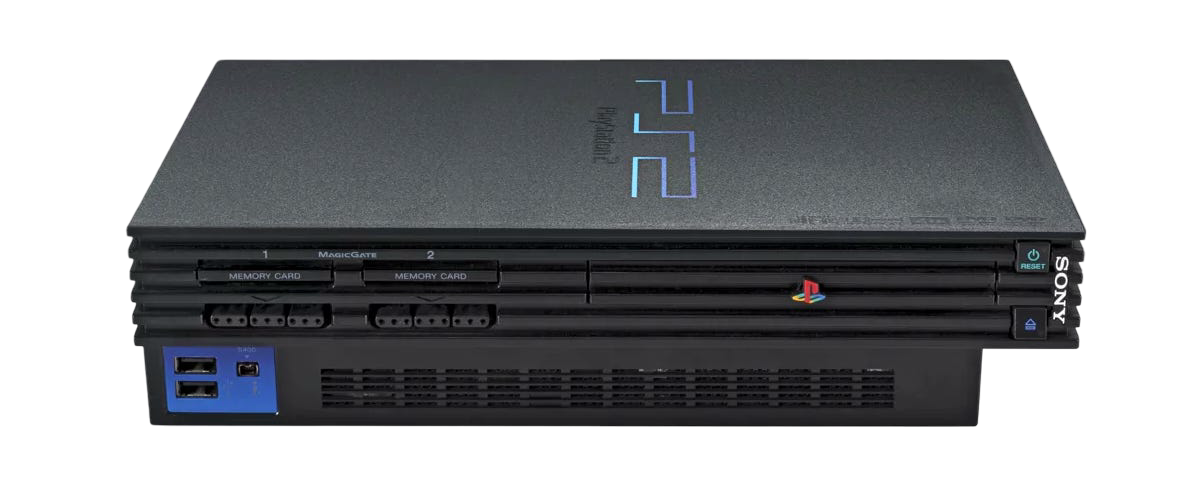
PS2 Launch Price: $299 (2000)
The PlayStation 2 launch price in North America was $299 when the console released on October 26, 2000.
For a game console, this was relatively expensive at the time, yet demand immediately overwhelmed supply. Retailers across Japan and North America reported shortages throughout the launch window, and the system quickly became one of the hardest consumer electronics products to find during the 2000 holiday season.
Part of that appeal came from the hardware itself. At the center of the console sat Sony’s custom Emotion Engine processor, a chip designed to push geometry and physics calculations far beyond what most home consoles attempted at the time.
But the PS2 price also made sense in the context of the early 2000s living room. Standalone DVD players often cost as much as the PlayStation 2 itself. For many buyers the console doubled as their first DVD player, which meant the system justified its price even before a single game was purchased.
Because of that positioning Sony had little reason to lower the PS2 price quickly. In the early years the goal was not mass adoption yet. It was momentum.
First PS2 Price Cut: $199 (May 2002)
The first major PS2 price cut happened in May 2002, when Sony lowered the PlayStation 2 price from $299 to $199.
This reduction reshaped the console’s trajectory. Production had stabilized, manufacturing yields had improved, and the PS2 already had a massive install base. Dropping the price below $200 removed a psychological barrier and opened the platform to a much larger audience.
The timing was also significant across the industry. The reduction arrived during the same week Microsoft cut the price of the original Xbox, turning May 2002 into the most aggressive pricing shift of the sixth console generation.
At the same time developers had become far more comfortable with the system’s architecture. Studios were learning how to push the Emotion Engine and graphics hardware effectively, and the PS2 game library began expanding rapidly.
After this moment the PlayStation 2 stopped looking like premium hardware and started looking like the default console purchase of the generation.
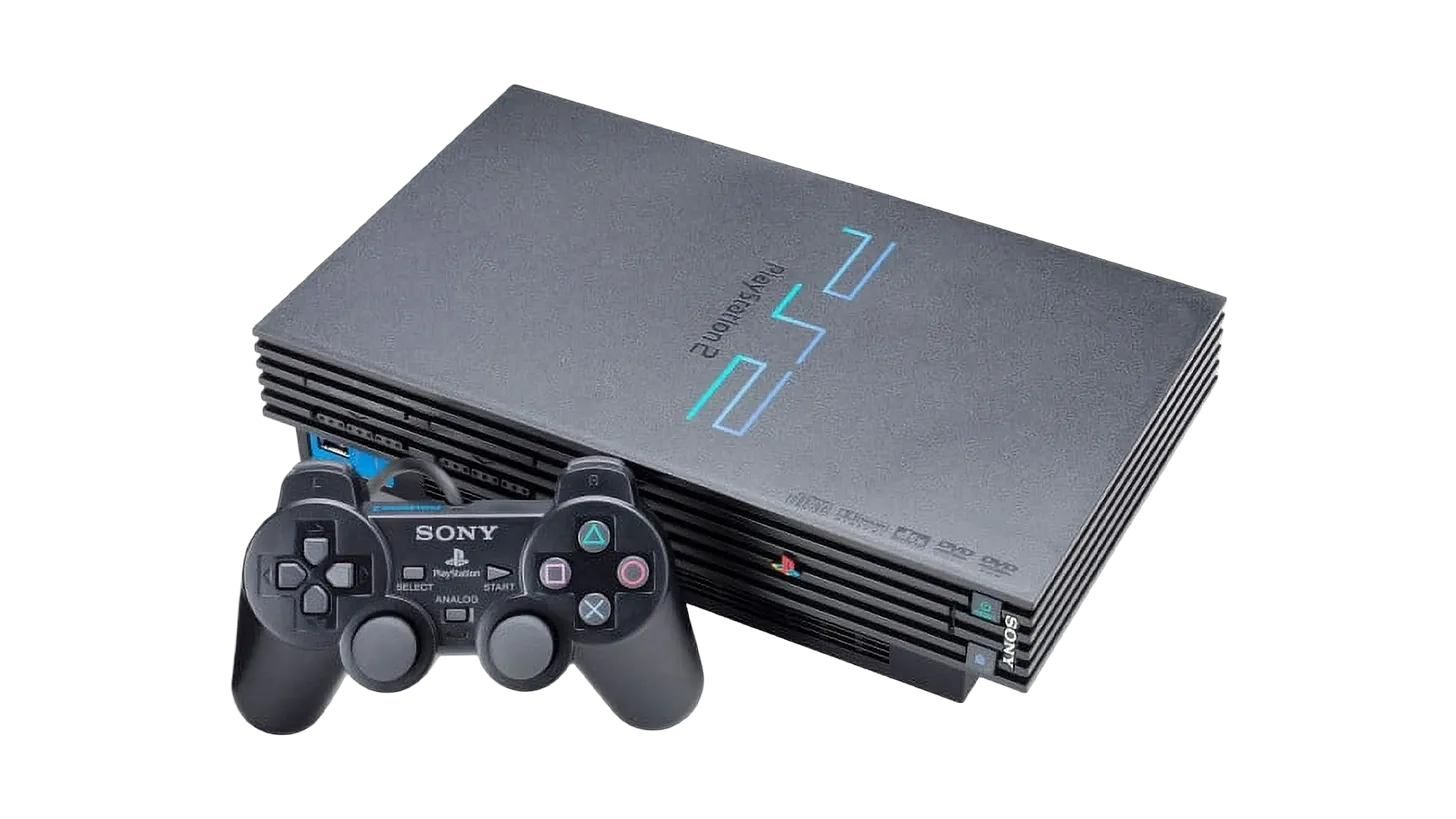
Additional PS2 Price Cuts: $179 (2003) and $149 (2004)
Sony lowered the PlayStation 2 price again in May 2003, bringing the PS2 price to $179. One year later, in May 2004, Sony reduced the PS2 price further to $149.
The 2004 reduction also coincided with the release of the PlayStation 2 Slim, a smaller and more efficient redesign that lowered manufacturing costs while refreshing the hardware on store shelves.
During this period Sony also introduced multiple hardware revisions and PS2 model variations, gradually refining manufacturing and lowering production costs while maintaining the same core architecture.
As the PS2 price dropped, retailers increasingly bundled the console with memory cards, controllers, and popular games. By 2004 the PlayStation 2 had moved from cutting-edge hardware to a common household entertainment device.
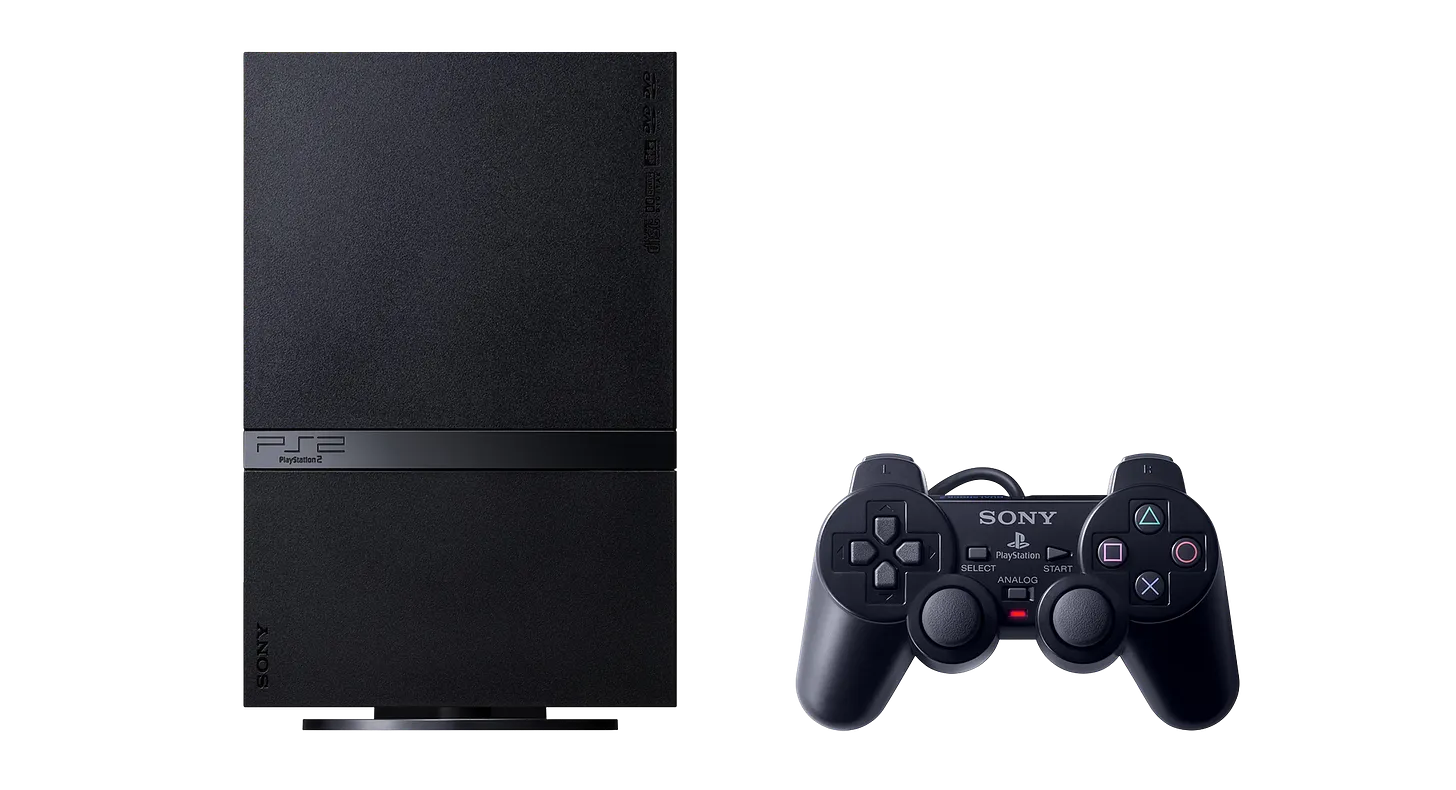
Final PS2 Price Cut: $129 (April 2006)
The final major PS2 price reduction happened in April 2006, when Sony lowered the PlayStation 2 price to $129.
The timing was deliberate. The PlayStation 3 was only months away, yet Sony chose not to remove the PS2 from the market. Instead the company positioned the older console as an affordable entry point into the PlayStation ecosystem.
At $129 the PS2 remained extremely attractive to price-sensitive buyers, especially in regions where the upcoming PS3 was expected to launch at a far higher price.
Even after the next generation arrived, the PlayStation 2 continued selling in massive numbers.
Rather than competing with the PlayStation 3, the PS2 expanded the audience beneath it.
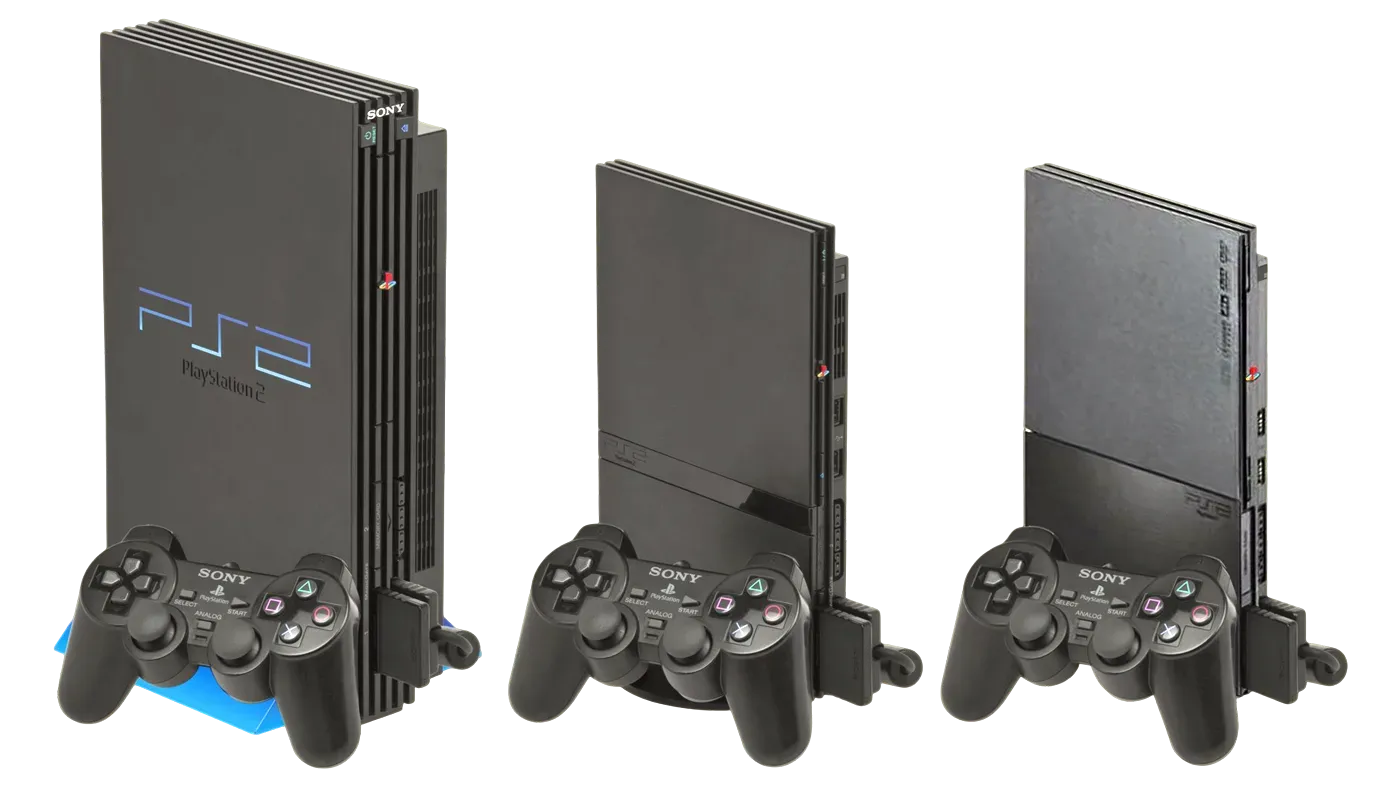
PS2 Price Timeline
The major PlayStation 2 price reductions unfolded over six years.
Year | PS2 Price | Context
2000 | $299 | PlayStation 2 launch price
2002 | $199 | First major PS2 price cut
2003 | $179 | Manufacturing improvements
2004 | $149 | Mass-market adoption
2006 | $129 | Final PS2 price reduction
Why the PS2 Price Could Keep Falling
Sony’s ability to repeatedly lower the PlayStation 2 price came down to scale.
By the mid-2000s the PS2 install base had grown so large that hardware margins mattered less than the ecosystem surrounding the platform. Software sales, accessories, and licensing revenue continued generating value even as the console itself became cheaper.
The PlayStation 2 eventually supported more than 4,000 games worldwide, creating one of the largest libraries in gaming history.
At that point the console was doing more than selling hardware. It was sustaining an entire entertainment ecosystem.
The Long-Term Impact of PS2 Price Cuts
Looking back at the full PS2 price history, the pattern becomes clear.
Sony did not rush the PlayStation 2 downmarket immediately after launch. Instead the company waited until production costs improved and the platform had already built strong momentum. When the moment arrived, the PS2 price dropped decisively, expanding the audience each time.
By the time the PlayStation 2 price reached $129, the console had already become the best-selling system of its era and one of the most influential consoles ever released.
And that is why the PlayStation 2 remained on store shelves long after newer consoles arrived.
Even today, decades after launch, the system is still worth experiencing. If you are wondering whether it still makes sense to own one, you can read a deeper look at whether the PlayStation 2 is still worth buying in 2026.
This is how you get a console to become the most popular in history.
Cutting edge design and performance.
Optimized supply chain.
And giving the customers more and more opportunities to get in throughout the product lifecycle.
What a time it was to be alive.