

Smartphones replaced compact cameras more than a decade ago. Yet in 2026 some of those cameras are returning, and Sony’s Cyber-Shot digital cameras sit at the center of the shift.
Online, clean Sony T-series and W-series models now regularly sell for double or triple what they sold for just three or four years ago. For two-decade-old point-and-shoots that rely on Memory Stick and cables rather than wireless transfer, that change is hard to ignore.
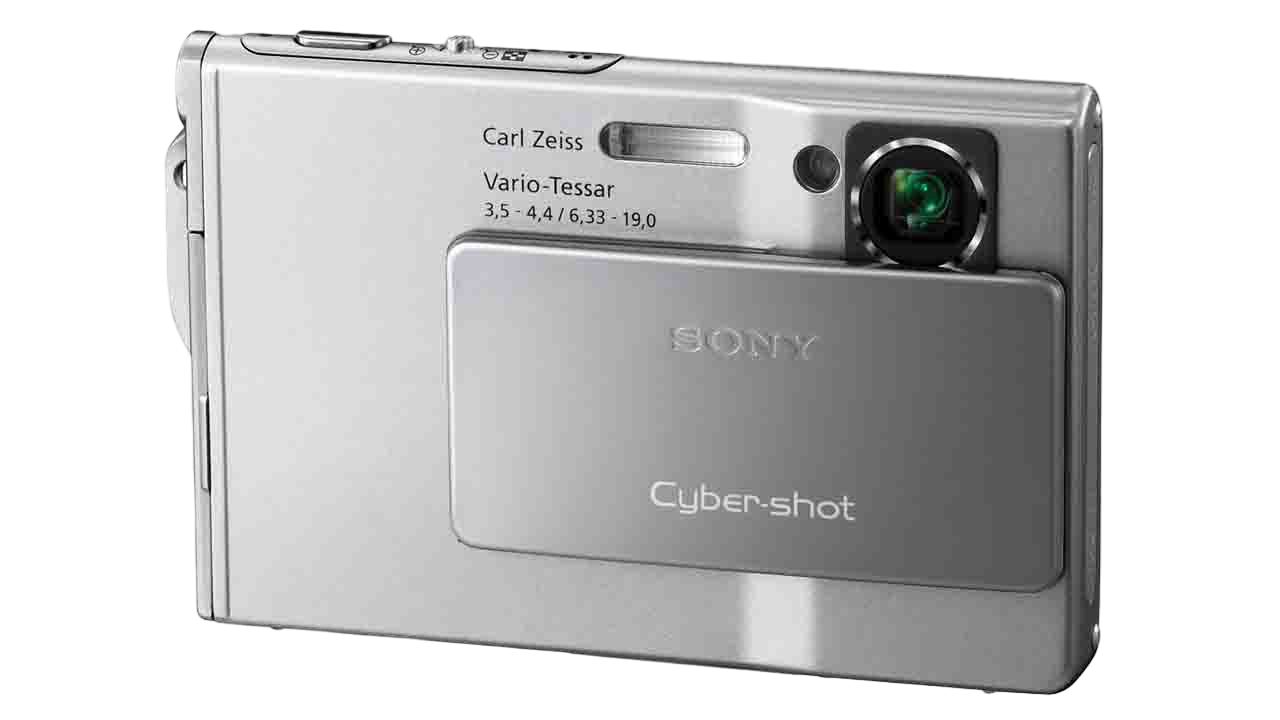
A mid-2000s Cyber-Shot produces a look that is easy to recognize. The flash is bright and direct. Highlights clip into solid white shapes, while backgrounds often fall into darkness with little detail left. Indoor photos show visible noise, and colors under flash carry a slight green-magenta shift.
Early Cyber-Shots also carried Sony’s own image tuning. Color balance under flash often leaned slightly cool, and the JPEG processing favored contrast over dynamic range. Highlights tended to clip sooner and shadows fell off quickly, giving many photos the punchy, high-contrast look people now associate with early compact digitals.

Part of the experience is physical. Many T-series Cyber-Shots open with a sliding metal lens cover that snaps aside before the camera powers on. The bodies are brushed aluminum rather than plastic, cool to the touch and heavier than their size would suggest.
This shift fits a broader pattern in photography. When digital capture became dominant, some photographers returned to film because it produced a look digital cameras no longer offered by default. In 2026 the smartphone is the baseline, and early compact digitals sit outside that system.
For many Gen Z users on social platforms, nostalgia is not the main driver. Some were very young or not yet born when point-and-shoot cameras were common. What draws them in is the aesthetic itself.
In a feed dominated by computational polish, imperfection reads as intentional. Early compact cameras were not especially good at interpreting a scene, so exposure, flash balance, and color often drifted slightly away from what the camera intended. A Cyber-Shot photo carries a kind of proof of presence, because the camera shows the scene the way it interpreted it in that moment, without later correction.

Sony introduced the Cyber-Shot line in the mid-1990s during the first major wave of consumer digital cameras. By the early 2000s it had become one of the most recognizable compact camera brands globally, spanning entry-level models to enthusiast variants. The digital camera boom peaked just before smartphones absorbed the category. Millions of Cyber-Shots were produced during those years.
That scale of production helps explain why the revival can happen without pushing prices into collector territory. When smartphones replaced compact cameras for daily use, many of these devices were stored rather than discarded, leaving a large working supply. Manufacturers have not attempted to recreate the effect with new hardware, so the revival is happening almost entirely through the second-hand market.
There is also a practical reason buyers discover quickly. A used unit that has been functioning for years can be more reassuring than one still sealed in a box. Electronics that have already proven they work are often less risky than untouched hardware powered on for the first time after two decades.
The technical limitations are part of the appeal. These cameras rely on proprietary cards and cables rather than seamless wireless transfer, reminding you that the image came from a dedicated device rather than an app.
In a year when smartphones can simulate film grain, flash bloom, and retro color profiles on demand, the only way to get the real thing is to use the device that never learned to correct it.
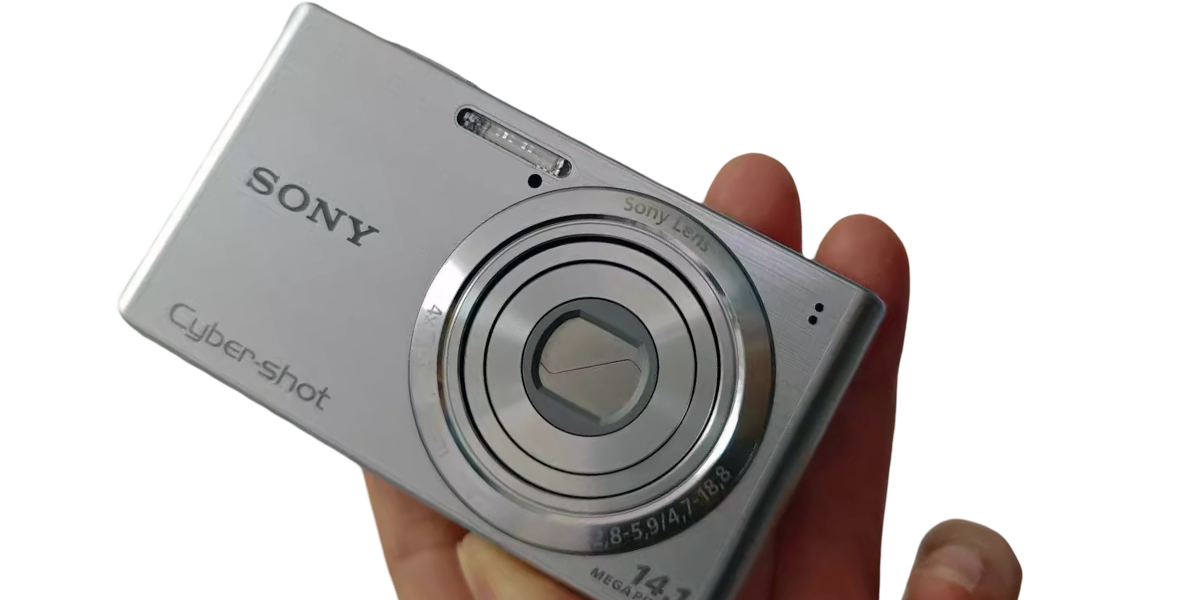
This pattern has repeated before. When a technology becomes frictionless and invisible, some people begin looking for the edges it removed. Physical media after streaming. Tape after file-based video. CCD imperfection after computational smoothing. The baseline moves forward, and a portion of users steps sideways.
The Cyber-Shot revival is less about nostalgia and more about distance. When perfection becomes automatic, imperfection starts to feel intentional.
owned one. amazing camera. it fell into disrepair and i dis-assembled it. and it was amazing all over again.
#PeakSony
Bought mine for a trip about a year before they became obsolete, but I held onto it and have been using it more again lately