
What Is PS2 Recomp? PS2 Recompilation Explained
How PS2 Recompilation Differs From Emulation, and Why the Hype Is Ahead of the Work

PS2 recomp, short for PlayStation 2 recompilation, is the idea of taking a PS2 game’s original executable code and translating it ahead of time into code that can be compiled for a modern platform, like Windows or Linux, instead of running the game through real-time emulation.
In simple terms, PS2 recompilation means translating a specific PlayStation 2 game into a form that can be rebuilt for modern systems, rather than simulating the original console in real time.
The promise is similar to emulation: higher resolutions, unlocked frame rates, modern input. The limitation is simpler. It’s game-specific, labor-intensive, and nowhere near ready.
At its current stage, PS2 recompilation is not a practical way to play PS2 games.
If this ever becomes practical, the bigger shift won’t be performance. It’ll be identity. A PS2 game has always been a fixed artifact, defined by a machine that knows how to behave like a PlayStation 2. Recompilation nudges it toward something else: editable software. Not easy to edit, not universally portable, but capable of having builds. Once that happens, the PS2 stops being the required container and starts being the reference point.
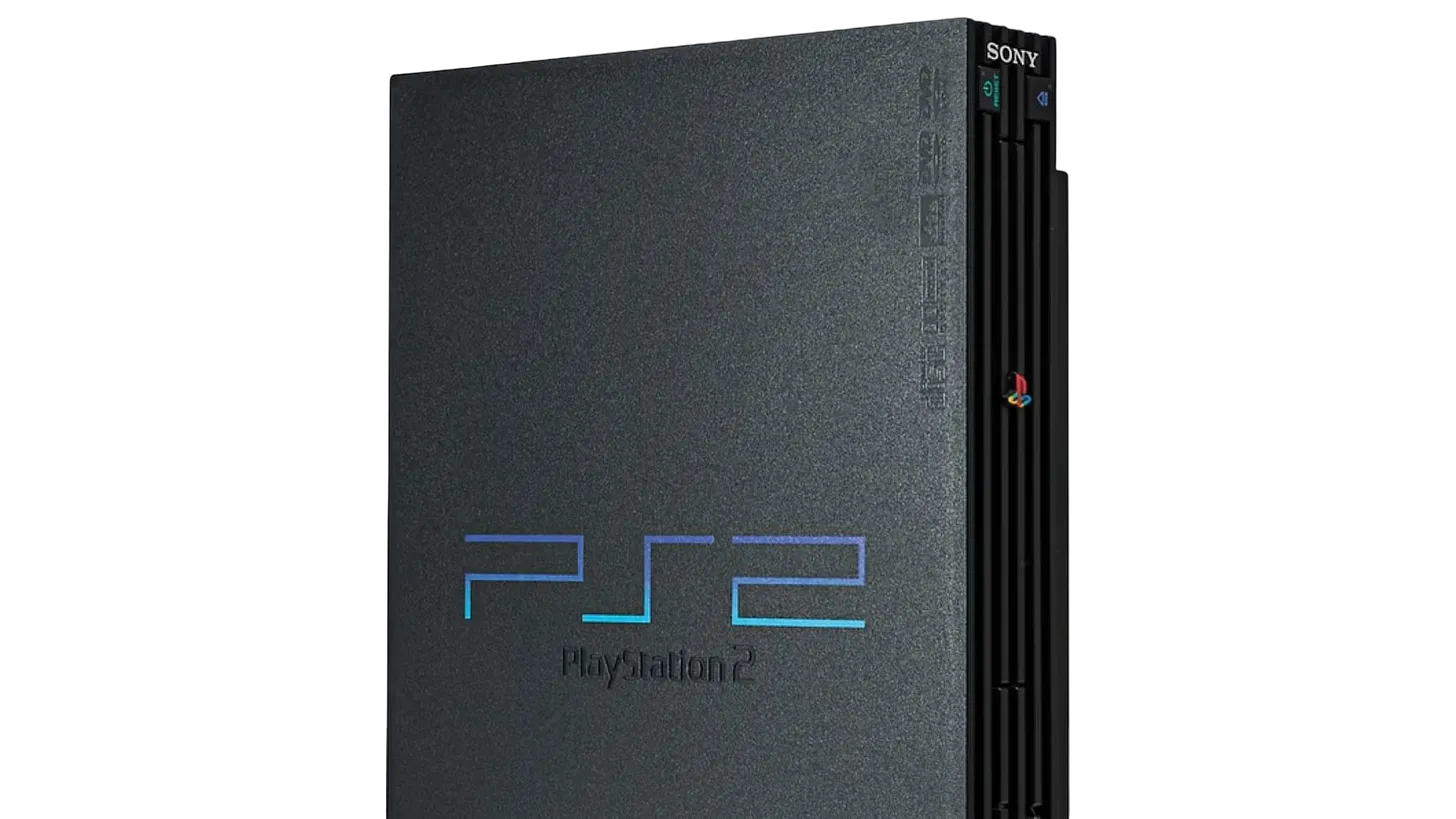
Emulation vs recompilation
Emulation recreates PS2 hardware behavior at runtime, instruction by instruction. That’s why accuracy and performance are always in tension. Recompilation flips the dependency. Instead of building a virtual PS2 around the game, you translate the game and run that output inside a new environment.
The approach is closer to static recompilation than to real-time hardware simulation.
The project that put this idea into circulation, PS2Recomp, is clear about its current state. It’s an experiment. The pipeline still relies on a runtime layer to handle PS2-specific behavior. This is not a drop-in replacement for emulation, and it’s nowhere near being one.
For now, emulation remains the only practical way to run the PlayStation 2 library.
PS2 recompilation does not produce native ports in the traditional sense, even if the output runs outside an emulator.
The problem isn’t the project taking time. It’s the way it’s being talked about. Recompilation keeps getting framed as something you’ll be using soon, even though there’s no meaningful, playable progress yet. That gap is convenient for blogs chasing clicks, because “PS2 but native” sounds finished even when it isn’t. The risk is that the idea outruns the work.
Recomp is less about how you play games today and more about what gets preserved. Emulation preserves a console. Recomp preserves a specific game as something that can be rebuilt.
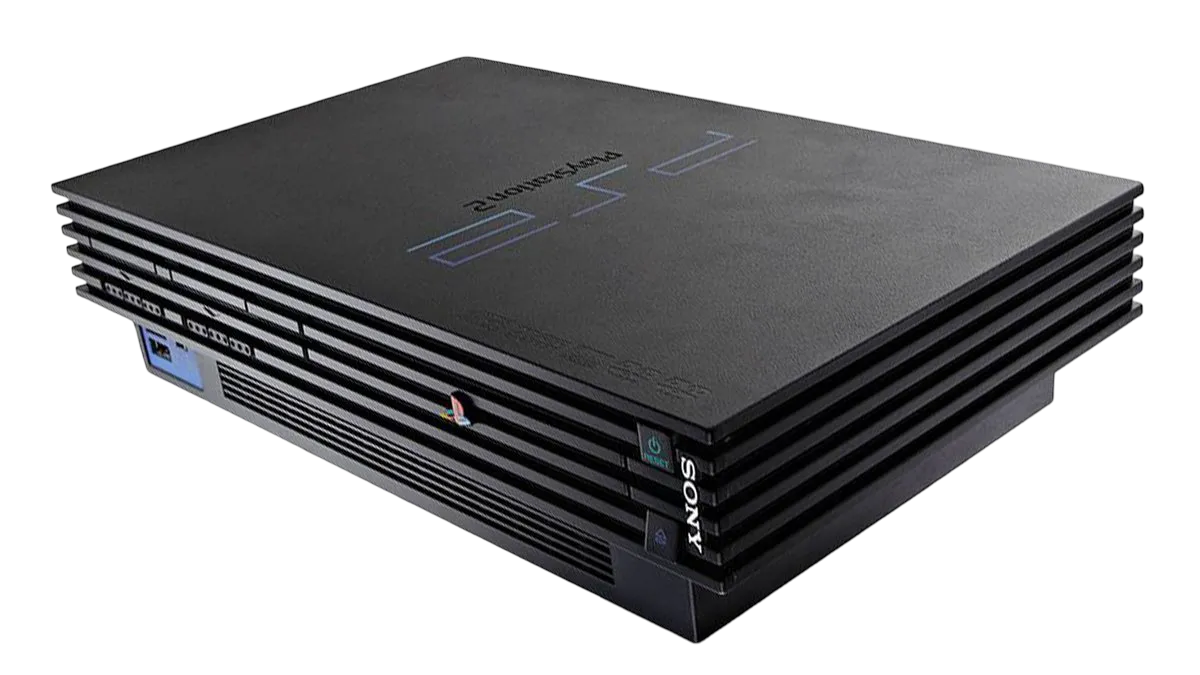
Why the PlayStation 2 is a hard target
The PS2 is hostile to clean translation because many of its best games were written into the machine’s quirks. Performance often depended on tight assumptions about timing, low-level behavior, and direct use of the CPU and vector units. PS2 code regularly blurs the line between software and hardware.
There isn’t a single PS2 recomp breakthrough waiting out there. Progress comes as negotiated victories, title by title, where each game exposes assumptions that were never meant to leave the console.
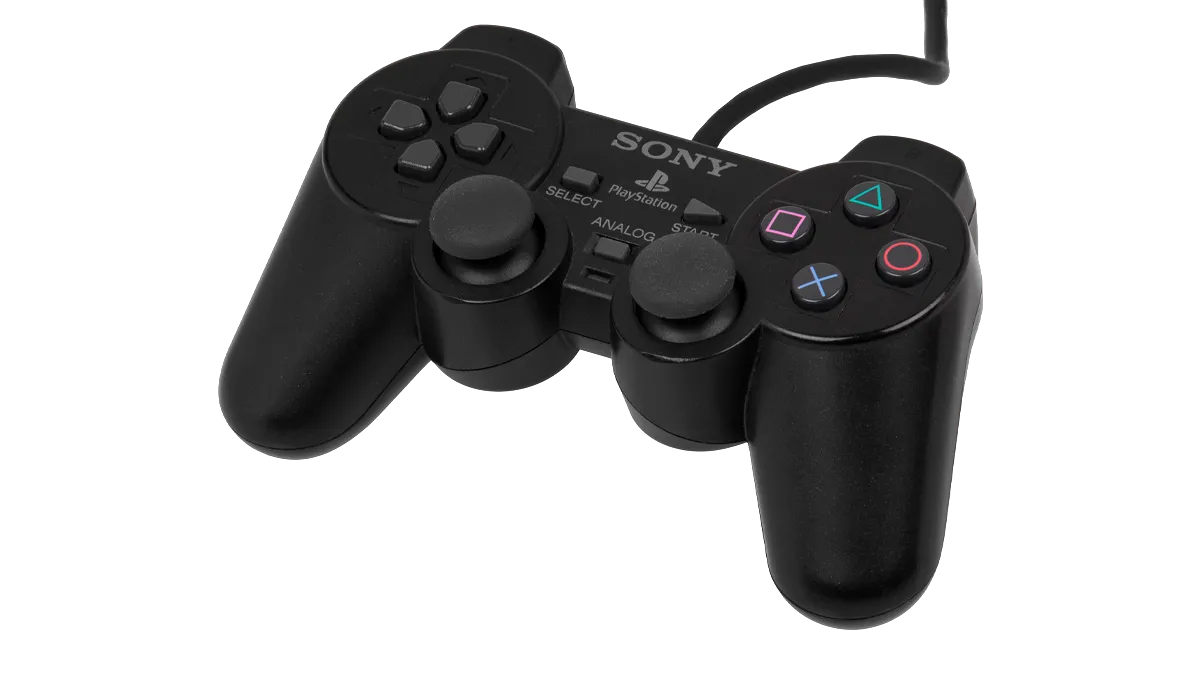
What actually changes
“Games detached from hardware” is only the surface story. The deeper change is that a PS2 game, once rebuilt, can branch. One build can chase original timing. Another can target modern rendering. Another can exist mainly to support mods, accessibility, or new input. At that point, the idea of a single “real version” starts to fall apart.
You can already see this on easier platforms. Nintendo recomp projects are comfortable treating classic games as modern programs layered with enhancements, while still requiring original data.
Applied to the PS2, the titles people most want to see rebuilt are also the ones that kept the PlayStation 2 experience intact long after its commercial life ended. They act as anchors to a specific way of playing, where timing, feel, and expectation are tied to a known environment that behaves like a PS2, whether that environment lives in original hardware or inside an emulator.
Recompilation threatens that stability, but it also protects what that stability was preserving. The PS2 experience has always been defined by constraint and consistency, not convenience. Hardware and emulators enforce that boundary in different ways. If recomp ever grows beyond experiments, the PS2’s afterlife won’t look like a museum. It will look more like a workshop.