

The cassette Walkman was still being sold in stores across the U.S. in 2012.
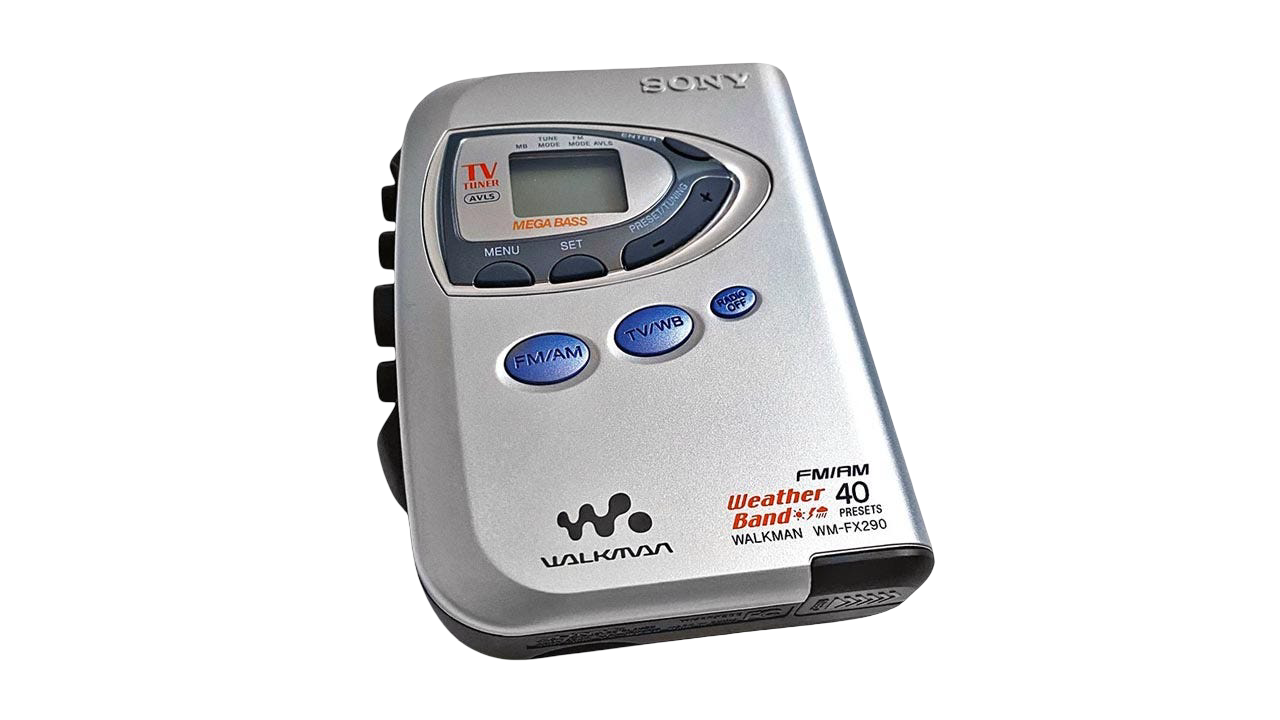
Most people believe it vanished in the 1990s, replaced by CDs, MiniDisc, and digital players. But one final model survived long after those formats had come and gone. It was the Sony WM-FX290, a slim plastic player with an LCD screen, a digital radio tuner, and a strange upside down button layout. By the time it disappeared from shelves, smartphones were already streaming music. Yet against all odds, this modest machine carried the Walkman name after more than three decades of change.
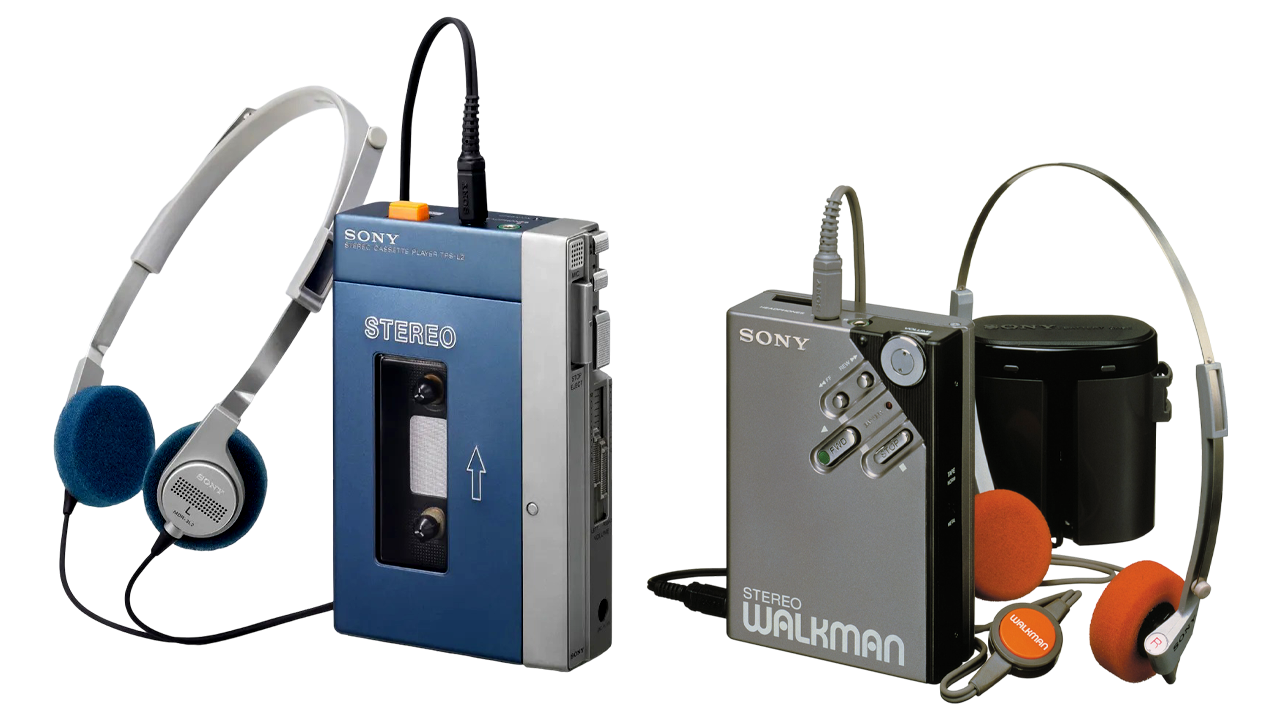
The Walkman story began in 1979 with the TPS-L2, the blue and silver portable that turned personal audio into a global phenomenon. Over the years it went through constant reinvention. The WM-2 miniaturized the design in 1981, small enough to slip into a pocket. The WM-D6 became a tool for journalists in the field, who relied on it to capture professional recordings anywhere. The tiny WM-10 shocked consumers by folding down to the size of a cassette case. And by the end of the 1980s the WM-DD9 was celebrated as the king of cassette Walkmans, delivering audiophile performance in a body that felt like precision engineering. Alongside these technical marvels, the yellow Sports Walkman became a cultural icon, instantly recognizable on beaches and playgrounds.
By the mid 1990s the cassette Walkman was no longer Sony’s star. The Discman had taken the spotlight with portable CDs, followed by MiniDisc, which promised digital recording and skip free playback. In the 2000s Sony tried again with Network Walkmans based on Memory Stick, hard drive Walkmans with massive storage, and eventually solid state models designed to take on the iPod. Each of these formats was promoted as the future. Yet while Sony chased the next big thing, the cassette Walkman stubbornly remained, quietly outlasting them all.
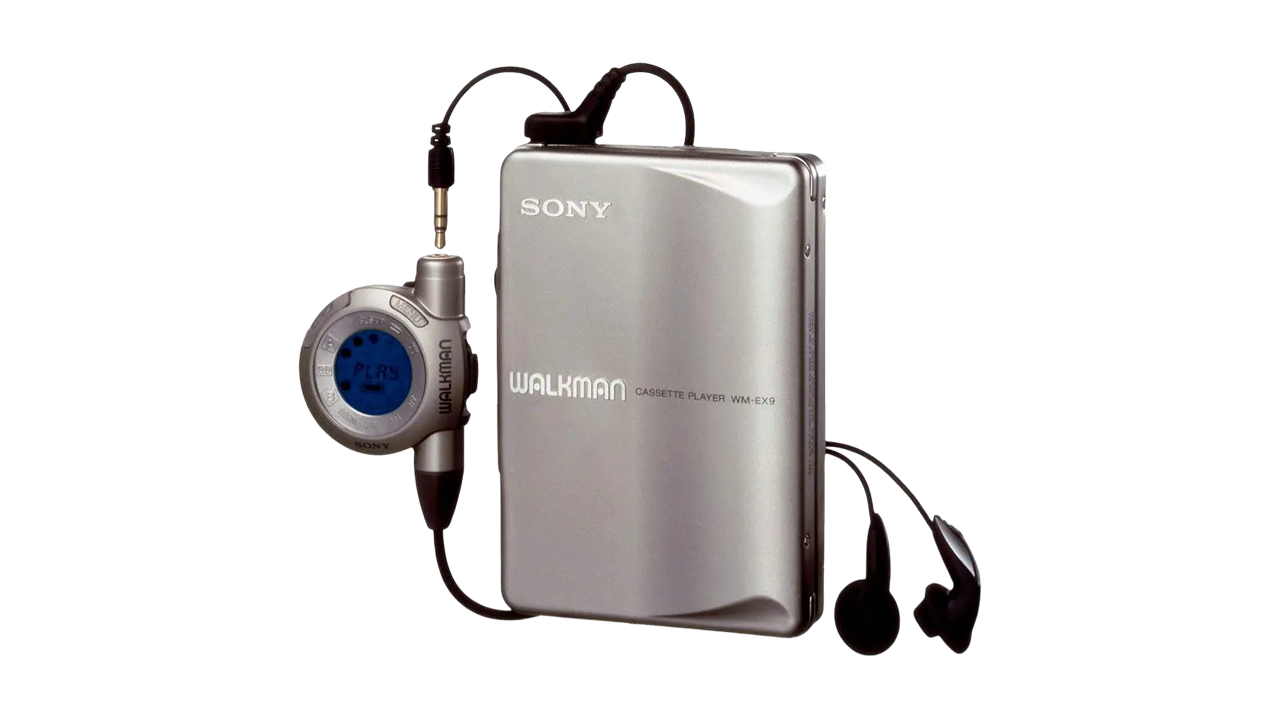
In Japan, the format received a more dignified farewell. In 1998 Sony introduced the WM-EX9, the slimmest Walkman ever made, with battery life that stretched to 100 hours. It was a jewel of design, the last flagship built by Sony’s engineers in Tokyo, and it carried the cassette to its technical peak.
In America, the ending looked very different. The WM-FX290 was part of the final wave of budget models. First released in 2004 and refreshed in 2008, it remained on shelves until 2012. It handled multiple tape types automatically, offered AM, FM, and Weather bands, and produced reliable sound through basic headphones. It was not groundbreaking, but it was practical and affordable. For hobbyists with old collections, and for those who simply were not ready to let go, it was enough.
The FX290 lasted not because of prestige but because of persistence. It could be found in chain retailers like Walmart, Best Buy, and Amazon listings, usually priced under thirty dollars. Schools used them for language labs, seniors relied on them for talk radio, and correctional facilities stocked them because tapes were considered safer than CDs. Its light weight and long battery life of up to 35 hours on a single AA made it dependable for anyone who still needed a cassette in the 2000s.
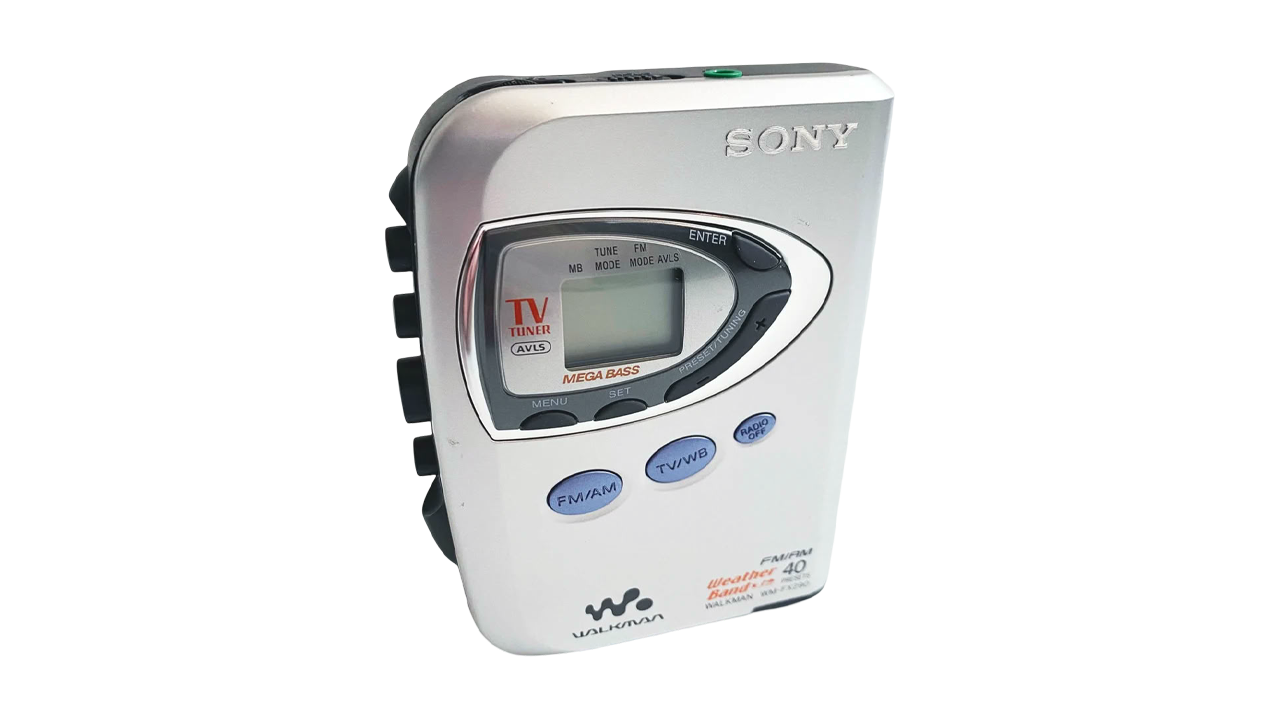
The FX290 showed how a simple, reliable machine could outlast the formats that were supposed to replace it. The Walkman had started as a revolution, but it ended as a survivor, proving that sometimes the past outlives the future.
Excellent.
I'm sorry — I take a back seat to no-one in revering Sony's design....but that's one of the ugliest devices I've ever seen. It's truly an abomination. I wonder what happened?