

By 1983, the world had caught on to the Walkman.
Sony’s once-lonely invention had become a global obsession and a target. Dozens of rivals were flooding the market, fighting for a piece of the action.
The word Walkman had become a universal household term, so familiar it was dangerously close to generic, and Sony was no longer just leading the category but defending it.
The company set out to remind the world who started it all. And it answered with a marvel of miniaturization that still turns heads more than 40 years later.
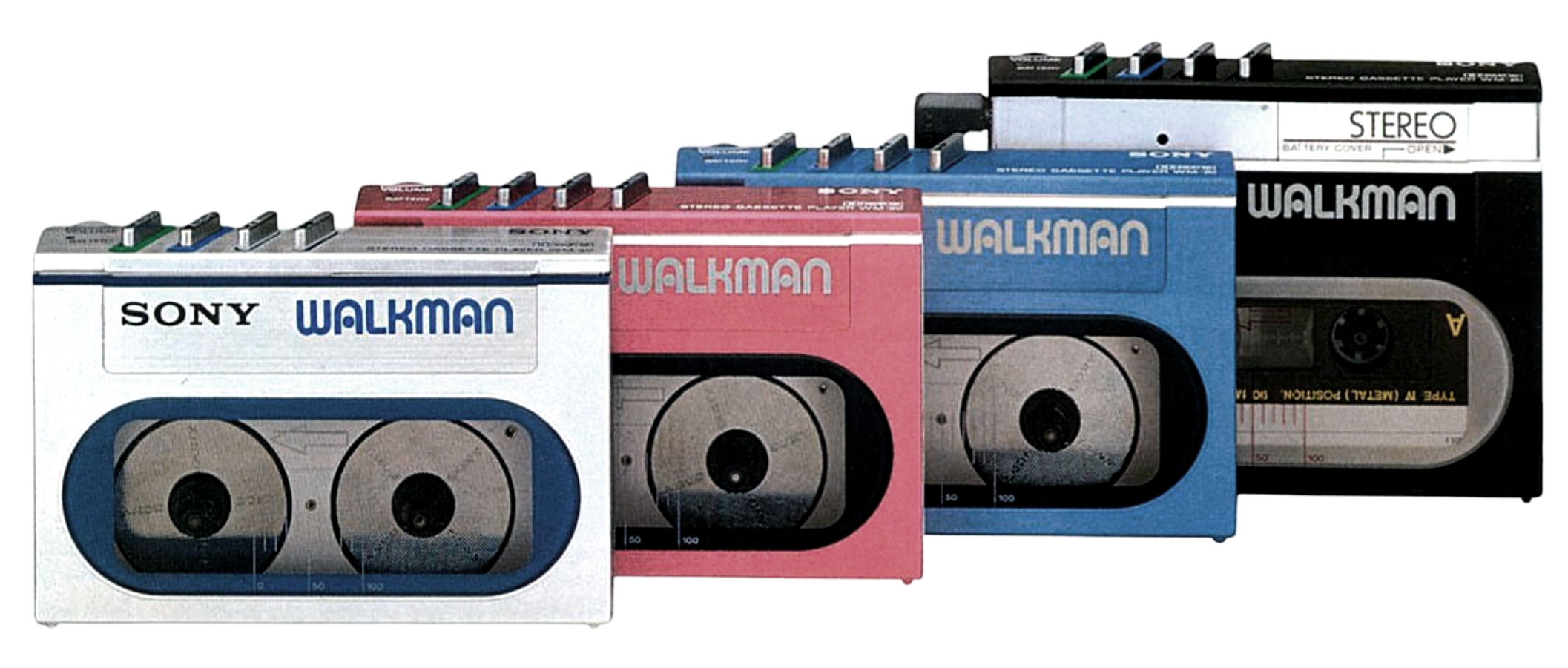
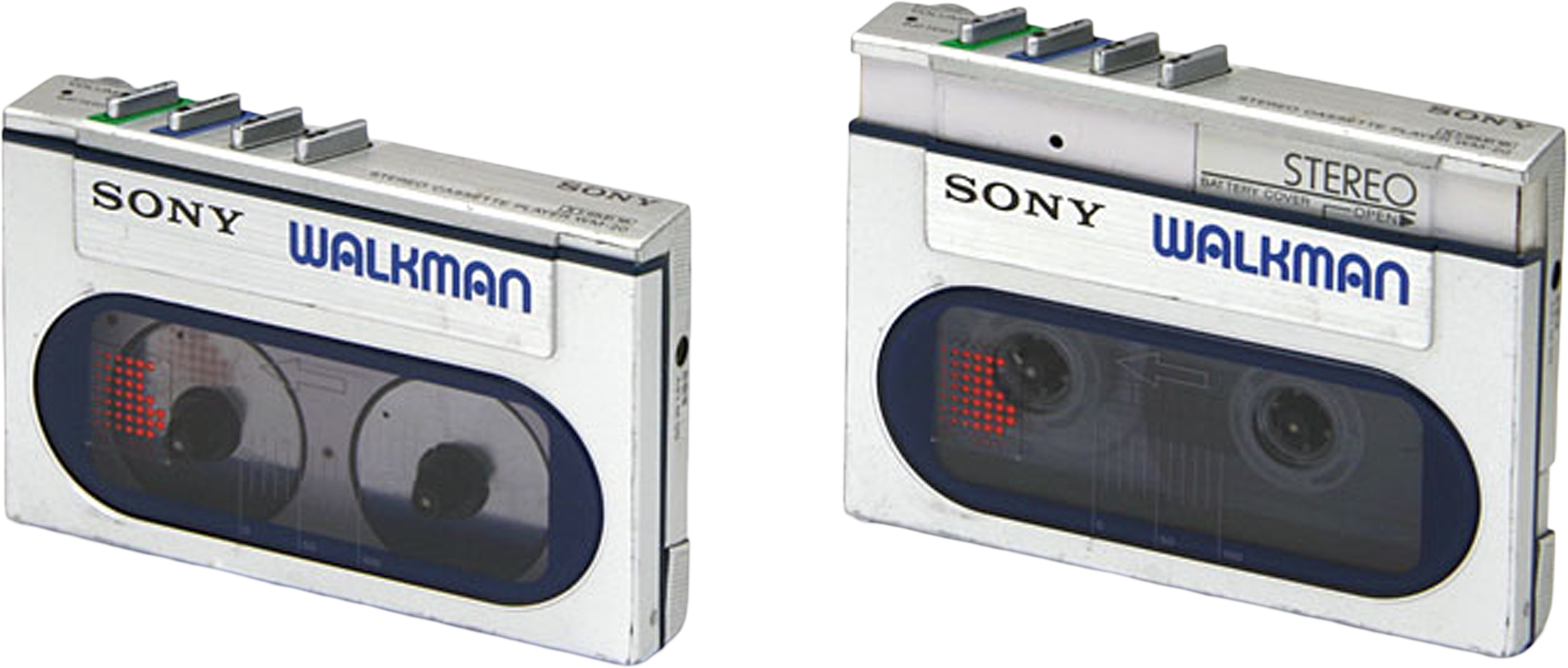
Sony’s answer began quietly. In April 1983, it unveiled the WM-10, a device that looked like it belonged to another decade. Roughly the same size as the cassette it played, the new Walkman featured a clever telescoping body that expanded when loaded and retracted into an ultra-slim shell. It was a stunning bit of engineering and a media darling. But to make it that small, Sony made sacrifices. There was no Dolby B, no tape type selector, and the build quality felt more experimental than refined. It looked like the future, but it didn’t quite sound like it.
Six months later, Sony delivered what felt like the real answer. The WM-20, released in October 1983, took the WM-10’s eye-catching concept and rebuilt it from the inside out. The WM-20 was a full-featured, Dolby-equipped, metal-compatible cassette player. Just as sleek as its predecessor, but far more capable.
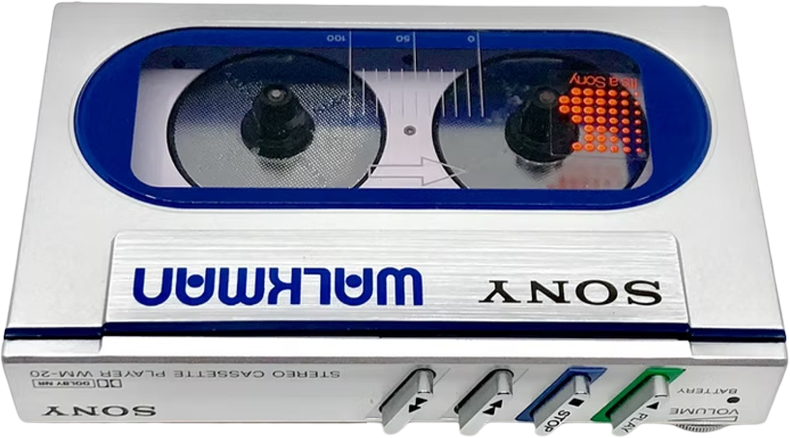
Sony’s Design Center approached it like a puzzle. The engineers returned to the vertical format of the WM-2, then reimagined every component for a new, impossibly tight layout. The battery, tape head, pinch roller, and headphone jack were aligned in a single row next to the cassette. To make it all fit, they used surface-mounted components and multifunctional parts. The result was a telescopic frame that expanded during use and collapsed to match the footprint of a cassette. The player weighed only 190 grams, less than half the weight of the original TPS-L2.
The WM-20’s diagonally arranged buttons were easy to operate with one hand. A rounded window revealed the spinning cassette, giving it a futuristic vibe. Unlike the WM-10, which came mostly in silver or black, the WM-20 was available in four colors: black, blue, gray, and pink. It was fashion-forward without being a toy. Paired with ultra-light 14-gram headphones, it looked and felt like the future.
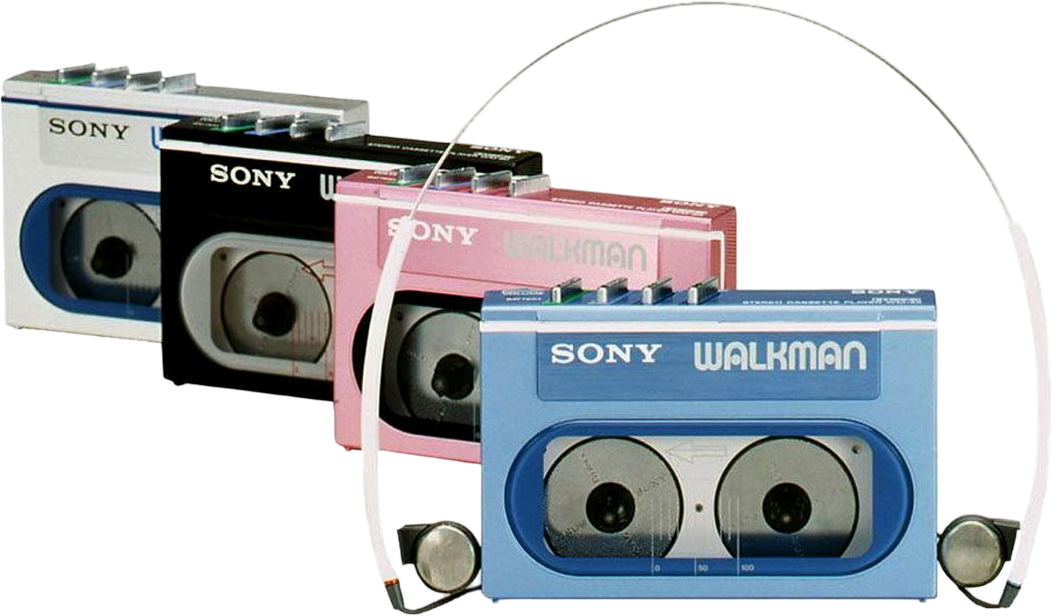
Under the hood, it delivered. Powered by a single AA battery, the WM-20 offered up to 15 hours of playback. Its frequency response of 40 to 15,000 Hz and 2x5 mW output matched the sound quality of larger units. Dolby B noise reduction cut down tape hiss, while a manual tape type selector optimized playback for normal, chrome, or metal cassettes. It even included auto-stop to conserve battery and protect tapes.
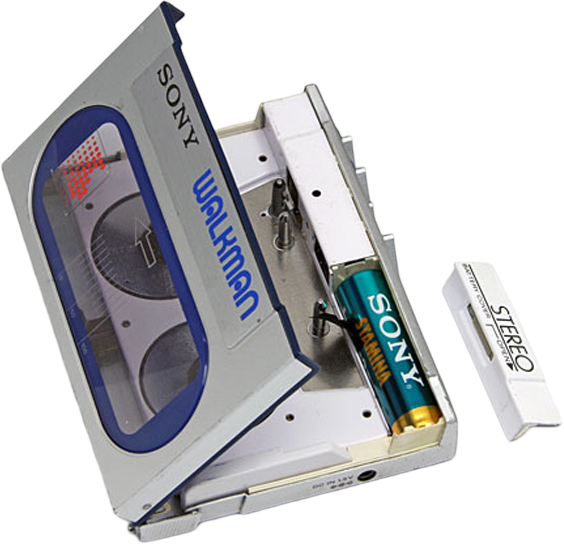
Compared to the WM-10, it was sturdier, richer in features, and more finely tuned. The sliding mechanism felt tighter and more secure. The build quality was noticeably more refined. Where the WM-10 had felt like an experiment, the WM-20 felt like a finished product.
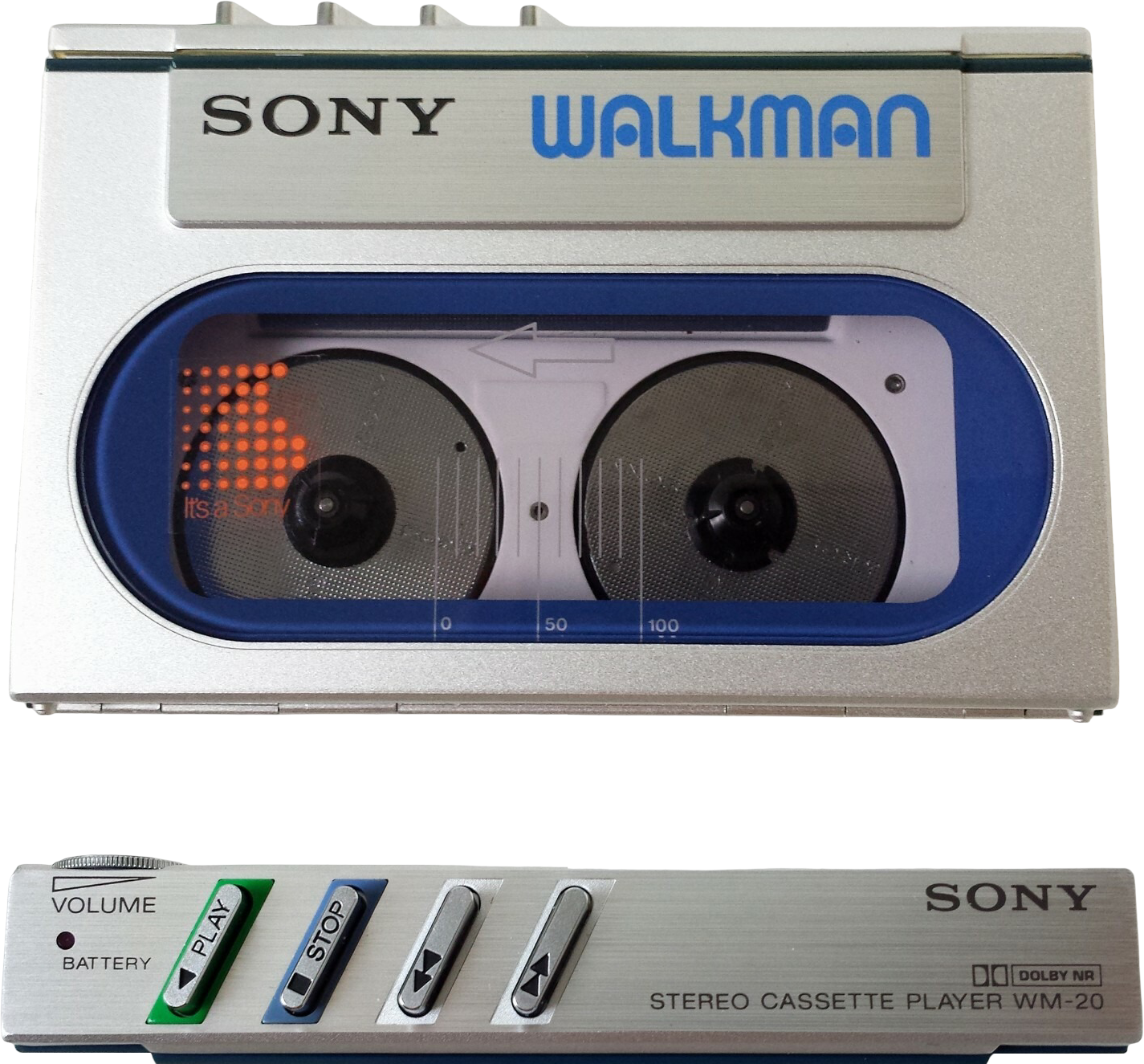
Sony made sure the world noticed. Ads showed the player disappearing into shirt pockets or resting next to a cassette for scale. Color options were featured prominently, especially the pink and blue models, which helped Sony tap into a broader, style-conscious audience.
Sales figures for the WM-20 aren’t clear, but it launched in the middle of Sony’s Walkman boom. By 1983, the company had already sold over 6 million Walkman units worldwide. The player, retailing for around ¥25,000 in Japan (about $100 in 1983), fit perfectly into that momentum. It was premium, but accessible, a perfect intersection of aspiration and practicality.
Today, the WM-20 is one of the most desirable cassette Walkmans among collectors. Models in pink or blue, routinely fetch $100 to $300. Minor production differences, like slight color shifts or control variations, make certain versions even more collectible. The telescopic design, once seen as a gimmick, is now a masterpiece of 1980s industrial design.
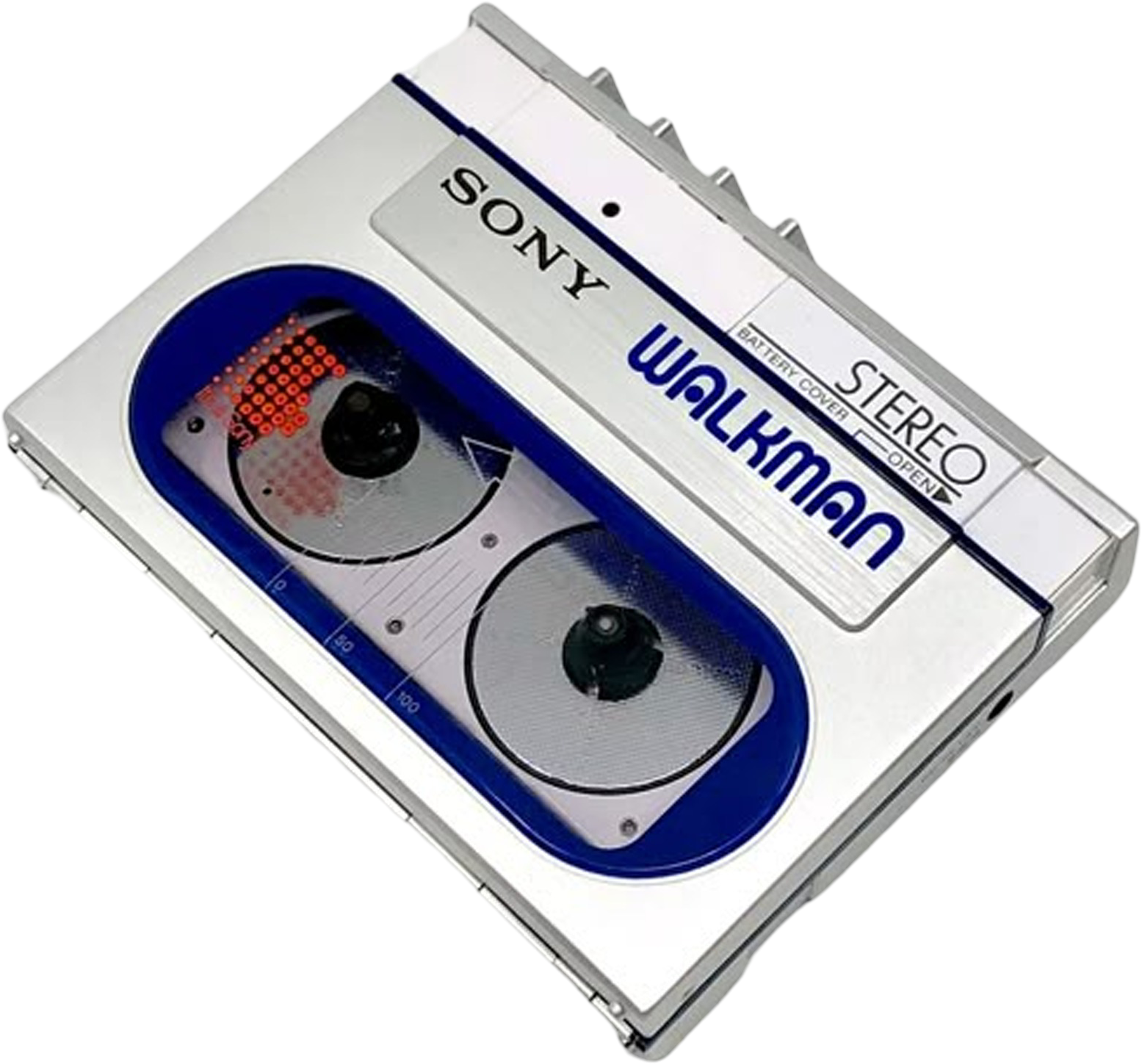
The WM-20 was more than just a response to the competition, it was a statement. Sony understood that to stay ahead, it had to keep evolving. The WM-20 showed that innovation was not only about making things smaller. It was about doing it with clarity, purpose, and a sense of style that felt effortless.
Decades later, it still holds up. The colors, the telescopic body, the clean lines and sharp detailing all give it a presence that feels surprisingly modern. It may have been released in 1983, but it still looks like something from the future. It wasn’t just ahead of its time. It still is.
I love the television ad they made, that showed the WM-10 being “made out of” a clear cassette box.
I’ve collected and restored several WM-F10’s. I’m curious about the differences between the WM-10 and WM-20. From what I can tell the only differences are that the WM-20 has color variations. Both models appear to be technically the same with Dolby and Metal options. But the article says that the WM-10 was a sort of rough draft prototype with no metal/dolby support compared to the WM-20.