
Why Sony Shut Down Bluepoint Games and What It Means for PlayStation Remakes
What happened to the studio behind Shadow of the Colossus, Demon’s Souls, and PlayStation’s modern remakes

Sony does not run PlayStation as a single creative body. It runs it as a portfolio, with studios serving different roles depending on scale, function, and timing. Some exist to create new worlds. Others are built to industrialize production. A smaller group exists to handle specialized work that strengthens the platform over time rather than generating new franchises. Those studios tend to do well when strategy is stable and become vulnerable when direction changes.
Bluepoint lived in that middle ground.

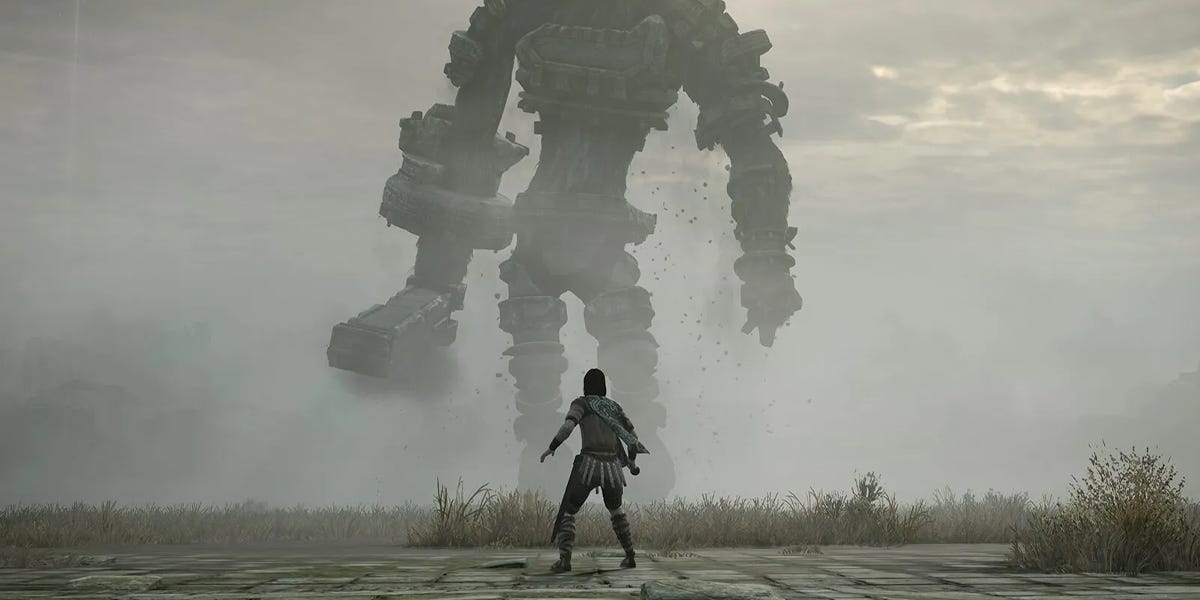
The studio was never designed to create new franchises or churn out games on a fixed schedule. Its value lay in deep technical modernization carried out under strict limits. Bluepoint became known for high-fidelity remakes such as Shadow of the Colossus and Demon’s Souls, projects that demanded extreme restraint rather than reinvention. The team rebuilt the foundations of historically important games while treating original gameplay behavior, timing, and feel as immovable reference points. They replaced engines, rebuilt pipelines, and modernized systems without redesigning how the games actually played. That work did not create momentum on its own. Its value accumulated elsewhere, strengthening PlayStation’s catalog and reinforcing trust in how legacy titles were preserved.
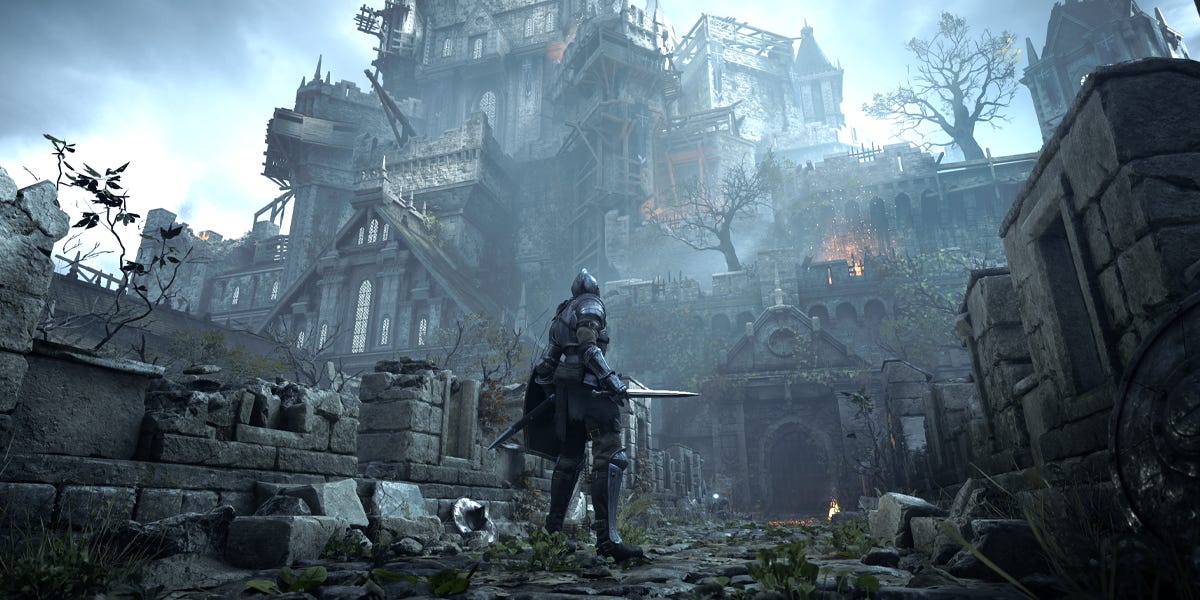
On February 19, 2026, Sony confirmed that Bluepoint Games would be closed following an internal business review. Roughly 70 employees are set to lose their jobs when the studio formally shuts down next month. At the time of the decision, Bluepoint had no approved project. After its 2021 acquisition, the studio had been assigned to a multiplayer live-service God of War spin-off, a project that was canceled in January 2025 during Sony’s broader pullback from live-service development.
In announcing the closure, PlayStation leadership framed the decision as a strategic adjustment rather than a retreat, emphasizing long-term focus and pointing to momentum elsewhere in the portfolio. This framing is familiar. Large organizations almost always describe contraction in terms of alignment and momentum, especially when the goal is to preserve confidence at the platform level.

Bluepoint did not close because it produced weak work. It became exposed because the kind of work it specialized in no longer fit cleanly into the shape PlayStation is moving toward.
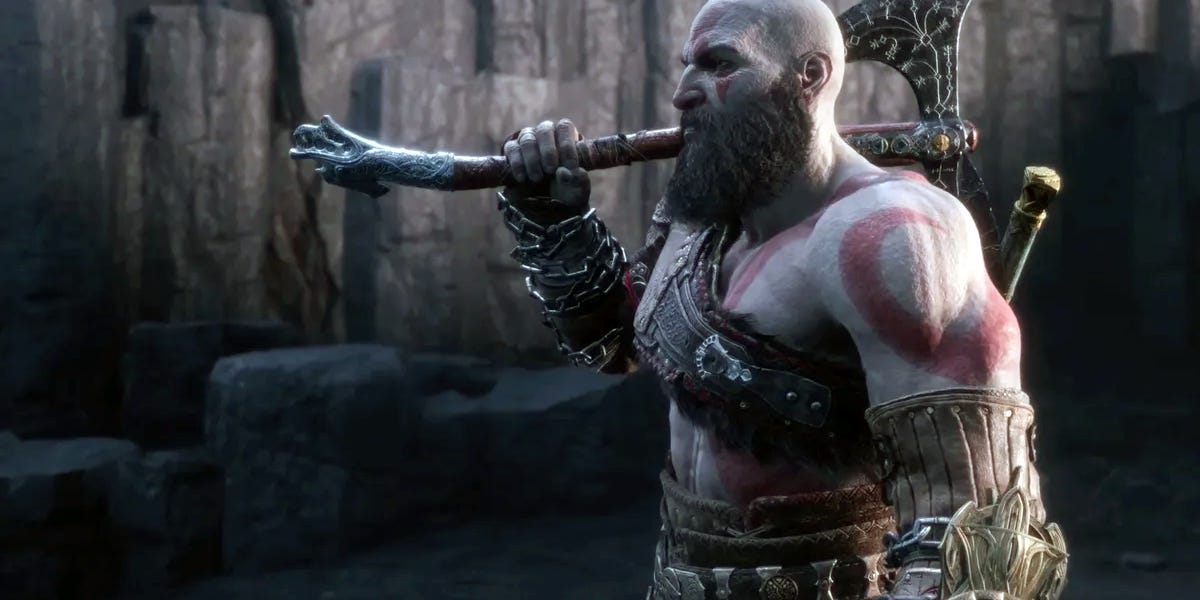
After Sony acquired the studio in 2021, Bluepoint’s role widened. Alongside its remake work, the team contributed support development on God of War Ragnarök, placing it inside larger production structures rather than operating in isolation. That shift continued as Sony pivoted toward live-service development and reassigned the studio accordingly, moving it further away from the work it had been built to sustain. When the live-service project was canceled in early 2025 and subsequent pitches failed to secure approval, Bluepoint was left without a stable pipeline to return to.
By the time the internal review arrived, the studio had no shipping product and no clear role to fall back into. The problem was not quality. It was fit.
In 2026, PlayStation is deep into the second half of the PS5 generation. Attention has narrowed around long-running franchises, long development cycles, and properties designed to extend across games, television, and film. Value is now measured less by narrow expertise and more by scale and durability. That shift has supported major hits and strong financial results, but it has also reduced the number of places where studios like Bluepoint can survive. Japan Studio, PixelOpus, London Studio, and others were closed as Sony concentrated resources around fewer, larger pillars.
This pattern is not unique to Sony. Across the industry, post-pandemic expansion has given way to retrenchment. Microsoft’s closures of Tango Gameworks and Arkane Austin followed a similar logic that favors predictability and scale over distinct identity. Remasters and remakes will continue. Legacy titles will keep being revived, often by teams optimized for compatibility, optimization, and speed. What disappeared in Bluepoint’s case was the willingness to maintain a studio whose primary role was careful modernization under strict preservation rules.
Public reaction reflected a different anxiety. Immediately after the announcement, frustration focused less on Bluepoint’s output and more on what the closure seemed to suggest about PlayStation’s direction. The concern was not that one studio had failed, but that the portfolio might continue to narrow, concentrating resources around fewer teams and fewer expandable franchises.
Beneath that unease sits the human cost. Roughly 70 developers lost their jobs after spending years navigating a transition shaped by shifting priorities and projects that never secured approval. Bluepoint adapted again and again. When the strategy that required that adaptation was abandoned, the cost landed with the studio rather than with the decisions that set the course.
The process was shaped by reversals and delays, but the result followed a familiar line. Bluepoint’s closure ends the idea that preservation itself warrants a permanent place inside PlayStation.
And I was so sure Bluepoint would be making the Bloodborne remake for the PS6 launch in a few years
Supposedly it was admitted in an interview that the studio pitched Sony on the live service game (almost definitely b/c they were made aware of the shift by Sony toward those type of games), and Sony accepted that pitch, rather than Sony telling them they had to make such a game.